E4 · Body-Contouring Devices
Domain: E — Body Contouring & Aesthetics · Template: ENERGY_DEVICE (10 blocks) · Region = the whole device shelf for body fat, laxity, muscle and cellulite.
> Evidence legend. [A] device IFU / regulatory status, brand + date · [B] primary literature, DOI/PMID verified · [C] textbook / monograph · [D] slide or expert opinion · [MEDLIB] own corpus · [MODELO] structure only, never a number · [IA-ESPEC] AI speculation, never actionable · ⚠ disputed figure or hard safety line. Attribution is a token Autor year [n]; the DOI lives in the reference line, never in the body.
In 30 seconds
This is the one domain in aesthetic medicine where the gap between marketing and evidence is widest. Four device targets, four separate diseases, and no device treats obesity. The wrong patient is failure number one, above every parameter [1][12][21].
| Target | What it is | Technologies (this chapter) | Starting settings the corpus supports | ⚠ Does NOT treat |
|---|---|---|---|---|
| Adipocyte (pinchable subcutaneous fat) | Localized bulge, stable weight | Cryolipolysis · HIFU (Liposonix) · non-thermal focused US (UltraShape) · RF (Vanquish) · laser lipolysis · 1060 nm diode | Cryo cycle 35–60 min, −11 °C class; HIFU 3×59 J/cm² (177 J/cm²); UltraShape 200 kHz, 3 sessions | Visceral fat, laxity, obesity [12][13][15][16] |
| Dermis / laxity | Skin quality, retraction | Monopolar/bipolar/multipolar RF · RFAL (BodyTite) · laser lipolysis skin-tightening | RF target skin 40–43 °C held 10–15 min; RFAL internal probe 45–48 °C | Frank redundant skin (needs dermolipectomy) [13][17][20] |
| Muscle | Volume, tone, definition | HIFEM (Emsculpt) · HIFEM+RF (Emsculpt NEO) | 4 sessions HIFEM; NEO 3× 30-min sessions | Fat under a thick panniculus (result hidden) [26][27] |
| Fibrous septum | True dimple cellulite | Mechanical subcision · TVS (Avéli) · Cellfina · Cellulaze · CCH (Qwo, withdrawn) · acoustic subcision (RESONIC) | Cellfina blade depth 6 or 10 mm; single session | Diffuse fat, laxity; creams do nothing [29][30][32][34] |
The decisive clinic test is the pinch, and it is done before any device is named. Pinchable tissue means subcutaneous fat and device-of-fat territory. A protruding abdomen that does not pinch is visceral fat, and no external device reaches it (metabolic medicine, K1 — Anti-Aging Medicine & Longevity.en). Pinchable skin with no content is laxity [1][12].
Red lines of this modality (all break the skin or the patient if ignored): - ⚠ No device treats obesity. Result is measured by photograph and tape at fixed marks, never by the scale. If the patient's success criterion is weight, you have failed before you start [1][21]. - ⚠ A parameter copied from another platform is a burn. Fluence, temperature, cycle time and pass count are device-, applicator- and zone-specific. The transferable teaching is indication, mechanism, the clinical target reading and the signature complication [1][14]. - ⚠ Temperature is the dose in RF and HIFU, not wattage or time. Modern RF is temperature-controlled; without thermometry you are guessing, and the price is a full-thickness burn. Surface >45 °C correlates with pain and thermal burn [17][20][13]. - ⚠ Cold disorders are an absolute contraindication to cryolipolysis: cryoglobulinemia, cold agglutinin disease, paroxysmal cold hemoglobinuria, cold urticaria [12][9]. Raynaud disease is a predictor of a negative outcome, not an absolute bar [11]. - ⚠ Paradoxical adipose hyperplasia (PAH) is the signature cryolipolysis complication: a firm, well-demarcated mass shaped like the applicator, 3–6 months out, treated by liposuction, never by more cryo [6][9]. - ⚠ Never two thermal devices on the same tissue in one session. Heat is cumulative; the burn margin is not [13]. - ⚠ Declare that the clinic owns the device. The purchase distorts the indication; naming it is what separates an indication from a sale (B3 — Ethics, Consent & Medicolegal.en) [1].
> Cross-reference, not a gap. Instrumentation and imaging for baseline assessment (calipers, ultrasound, 3D photography) are built in [B1: b1-facial-assessment-aesthetic-analysis-en.html#b19]. This chapter uses those tools as the outcome measure and does not re-teach them.
E4.2 — Indication and target: who is a candidate, and who gets referred out
Answer first: four targets, one exclusion test, and the referral it triggers.
| Finding on the pinch | What it is | Device territory | ⚠ If treated as fat |
|---|---|---|---|
| Pinchable fat, well-delimited, weight stable | Localized subcutaneous adiposity | Cryo, HIFU, RF, laser lipolysis | Correct |
| Protrudes but does not pinch | Visceral fat | None external → metabolic / K1 | Money spent, no change [12] |
| Pinchable skin, no content | Laxity | RF, RFAL, or surgery | Volume removal worsens it [13][20] |
| Discrete dimple, tethered | Single fibrous septum | Subcision / TVS / CCH | Energy never cuts a septum [29][32] |
| Muscle poorly defined, thin panniculus | Muscle target | HIFEM / HIFEM+RF | Hidden under fat if panniculus thick [26] |
Patient selection, the filter that decides more than any dial: - Weight stable for months, near ideal. Weight fluctuation invalidates every result; long-term cryolipolysis data hold only when weight stays within ~5 lb (2.3 kg) of baseline [1]. - BMI ≤ 30 for the FDA-cleared fat devices (cryolipolysis and Liposonix are both cleared for visible bulges in patients with BMI ≤ 30) [12][20]. - Fat thickness gate is device-specific and non-negotiable: Liposonix needs ≥ 2.5 cm (about one inch) of pinchable fat because focal depth is fixed at 1.3 cm; too thin a panniculus puts the focus where it should not be, especially over bone, and burns [13][12]. UltraShape delivers at 1.5 cm and asks for ≥ 3 cm of pinchable tissue [12]. - Fitzpatrick / skin type. Cryolipolysis, HIFU and RF for fat act below the dermis and carry low pigmentary risk across skin types; ⚠ post-inflammatory hyperpigmentation (PIH) still occurs, and its reported incidence swings by device (see E4.9) [20][13]. Emsculpt NEO is cleared for skin types I–VI [43]. - The tanning / priming gate matters far less here than for pigment-targeting lasers (contrast G1 — Laser Principles & Classification.en), because these devices target fat, water-in-collagen or muscle, not melanin. The exception is any superficial thermal device on recently tanned or inflamed skin: defer.
What gets referred out, explicitly: - Obesity or a weight-loss goal → metabolic medicine / K1. ⚠ Not a contouring problem. - Frank skin redundancy (post-massive-weight-loss apron, severe abdominal laxity) → plastic surgery for dermolipectomy; no external device competes [13][20]. - Rectus diastasis presenting as an abdominal bulge → surgical/physiotherapy pathway; HIFEM tones muscle but does not close a true diastasis [26][27]. - Suspected hernia in the target zone → surgical assessment before any device [12].
Consensus: identify the target (fat / laxity / muscle / septum) first, choose the technology second [1][13]. Discrepancy: device-first practice buys a platform and indicates from it; ⚠ this atlas rejects it as the structural conflict of interest of the domain, visible in the results. Decides: whether you can say no on a slow day [1].
Trampa clásica: treating a protruding, non-pinchable abdomen with a fat device. The abdomen is visceral fat; the pinch separates it in two seconds, and the correct answer is metabolic, not a machine [12].
The four truths that order the whole domain, stated so selection cannot drift: 1. ⚠ No device treats obesity. Every tool here contours localized fat in a person near their weight. The wrong patient is the number-one failure of the domain, above any parameter [1][12]. 2. ⚠ Four targets, not interchangeable. A fat device does not treat laxity; a muscle device does not treat fat; and none of the three treats cellulite, a distinct structural problem. Buying one platform and treating everything with it is the structural error of the discipline [13][20]. 3. ⚠ The result is modest, delayed and measured by photograph and tape, not the scale. If the patient's success criterion is weight, the treatment has failed before it starts [1][21]. 4. ⚠ The purchase distorts the indication. With an expensive device amortizing in the room, everyone starts to look like a candidate. Naming that conflict to the patient is what separates an indication from a sale (B3 — Ethics, Consent & Medicolegal.en, B4 — Practice Management & Business Development.en) [1].
Candidate vs non-candidate, the cryolipolysis filter (the template for the fat devices):
| ✅ Candidate | ⚠ Not a candidate |
|---|---|
| Localized, pinchable, well-delimited bulge | ⚠ Overweight or obese; not a weight treatment |
| Weight stable for months | ⚠ Weight changing |
| Good skin quality | ⚠ Frank laxity (volume removal worsens it) |
| Expects a partial, delayed reduction | ⚠ Visceral fat (does not pinch) |
| No cold disorder, no hernia in zone | ⚠ Cryoglobulinemia, cold agglutinin disease, PCH, cold urticaria [12] |
Honest expectation, set at the first visit and written into consent: a partial reduction of one fat layer, visible over 2 to 4 months, of the order of 10 to 25% per treatment for the non-invasive devices, never a liposuction result and never weight loss [39][20][1]. The corpus quantifies the modesty: cryolipolysis fat-layer reduction runs 14.7 to 28.5% by caliper and 10.3 to 25.5% by ultrasound across compiled series [20][39]; a single 1-hour cryolipolysis cycle removed a mean of 40 to 56 mL of fat from a treated flank by 3D imaging, with 14.9% caliper reduction at 2 months [4][20]. ⚠ These are contour changes, not scale changes: serum lipids and liver tests do not move, because the cleared lipids are handled locally by macrophages [20][9].
The one maneuver that separates the three findings that all look like "a bulge": the pinch. Pinchable fat is device territory; a protruding abdomen that does not pinch is visceral fat and belongs to metabolic medicine (K1 — Anti-Aging Medicine & Longevity.en); pinchable skin without content is laxity, and removing volume over it makes it worse [12][13]. ⚠ Three findings, three answers, one gesture separates them, and it is done before any device is switched on.
E4.3 — Physics and mechanism: how each modality reaches its target
Answer first: four physical mechanisms, four different tissue effects. Confusing them is what makes a fat device sold for laxity and a laxity device sold for cellulite [13].
| Mechanism | Modality | Physical target | Tissue effect | Depth / focus control |
|---|---|---|---|---|
| Selective cryolysis | Cryolipolysis | Lipid in the adipocyte | Cold panniculitis, apoptosis, phagocytic clearance over 2–4 months | Applicator cup + cooling plates; contact time |
| Thermal coagulation | HIFU (Liposonix), RF, laser lipolysis, HIFEM+RF | Water / tissue resistance | Coagulative fat necrosis (>55–80 °C) or collagen contraction + neocollagenesis (40–48 °C) | Frequency/focus (HIFU), electrode geometry + cooling (RF), fiber depth (laser) |
| Mechanical cavitation | Non-thermal focused US (UltraShape) | Adipocyte membrane | Membrane rupture, non-thermal, vessels and nerves spared | Transducer focus at 7 / 10 / 15 mm |
| Mechanical / enzymatic subcision | Subcision, TVS, Cellfina, CCH, acoustic (RAP) | Fibrous septum | Septum cut, released or enzymatically lysed | Blade / needle depth; enzyme placement |
Selective cryolysis (cryolipolysis). The adipocyte is more susceptible to cold injury than skin, nerve or vessel: lipids crystallize at temperatures the surrounding tissue tolerates [3][21]. Controlled cooling triggers a cold panniculitis and adipocyte apoptosis; the debris is cleared slowly by an inflammatory and lymphatic route over 2 to 4 months [1][21]. That delayed clearance is the single most important clinical fact of the technique: review is scheduled at 8 to 12 weeks, never at a few days, and a fat-laden-macrophage histology at 28 days is the visible correlate of the mechanism [14]. Post-treatment massage is thought to add reperfusion-injury damage to already-stressed adipocytes and improves the result [20].
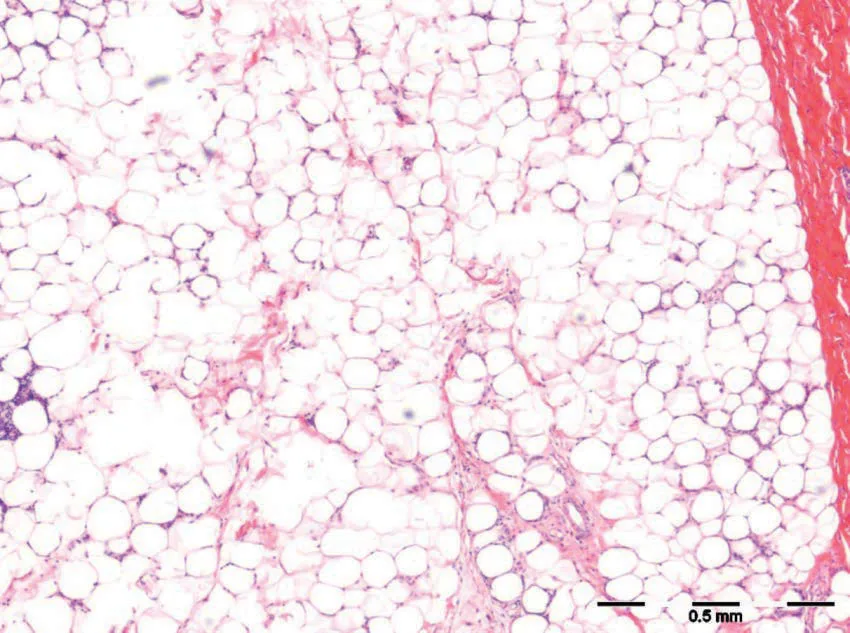 Fig 1. H&E of subcutaneous fat after cryolipolysis showing lobular panniculitis, the inflammatory step that clears the apoptotic adipocytes over 2–4 months. (Baran, 2017, p. 550).
> Fuentes: Baran, Textbook of Cosmetic Dermatology [2017] [39]. The corpus caption documents the porcine progression 3→90 days; this single panel is the mid-inflammatory field.
Fig 1. H&E of subcutaneous fat after cryolipolysis showing lobular panniculitis, the inflammatory step that clears the apoptotic adipocytes over 2–4 months. (Baran, 2017, p. 550).
> Fuentes: Baran, Textbook of Cosmetic Dermatology [2017] [39]. The corpus caption documents the porcine progression 3→90 days; this single panel is the mid-inflammatory field.
Thermal coagulation, high-intensity focused ultrasound (Liposonix). A steerable multi-element phased array delivers 2 MHz ultrasound at >1000 W/cm², raising focal subcutaneous fat above 55 °C (up to ~80 °C) for near-instant coagulative necrosis, while sparing the surface because lethal energy density is reached only at the fixed 1.3 cm focus [12][9][14]. Cavitation disrupts the adipocyte membrane through negative acoustic pressure [9]. Macrophages ingest the liberated lipids in a mild, local inflammatory response, so serum lipids and liver function tests do not change [9][13].
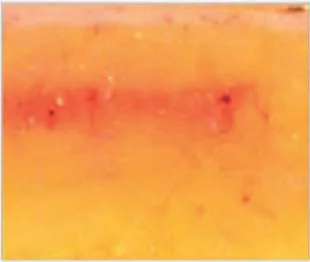 Fig 2. Liposonix HIFU thermal lesion sits at the fixed focal depth; the surface is spared because lethal density is reached only at the focus. (André, 2017, p. 441).
> Fuentes: Cosmetic Medicine & Surgery [2016] (André), fig 40.5, after Gadsden 2011 [14].
Fig 2. Liposonix HIFU thermal lesion sits at the fixed focal depth; the surface is spared because lethal density is reached only at the focus. (André, 2017, p. 441).
> Fuentes: Cosmetic Medicine & Surgery [2016] (André), fig 40.5, after Gadsden 2011 [14].
Mechanical cavitation, non-thermal focused ultrasound (UltraShape). A single-element ceramic transducer at a nominal 200 kHz delivers low-duty-cycle pulses that rupture adipocyte membranes by mechanical cavitation at a precise focus (7, 10 or 15 mm), leaving vessels and neural structures in the stroma intact, so there is no bleeding [14][13]. Most of the fat reduction happens in the first 14 days [13].
Resistive heating (radiofrequency). Tissue heats by its resistance to an oscillating current (RF band 3 kHz–300 GHz); the heat produces immediate collagen-fiber contraction and delayed neocollagenesis, and deeper settings add adipocyte apoptosis [19][13]. Heating depth for tightening is 3–6 mm, a range light energy does not reach well, which is why RF is the main non-invasive tightening tool [17]. Temperature is the dose: it is safer to hold a target temperature longer than to chase the maximum, because skin damage is an exponential function of temperature [17][20].
Photothermal (laser lipolysis). An Nd:YAG fiber placed subdermally converts light to heat inside the fat: 1064 nm targets collagen and water (skin tightening), 1320 nm favors hemostasis, and 1440/1470 nm target fat, with 1440 nm carrying about 40× the fat absorption of 924/980 nm diodes [19][24]. A mathematical model set the internal target at 48–50 °C for skin tightening; the conclusion was that heat, not a specific wavelength, drives lipolysis and retraction [23][14].
Electromagnetic (HIFEM) and HIFEM+RF. A pulsed electromagnetic field depolarizes motor neurons and produces supramaximal, involuntary muscle contractions beyond voluntary recruitment, driving muscle hypertrophy [26]. Emsculpt NEO adds synchronized RF that raises subcutaneous fat to apoptotic temperature in under 4 minutes, combining muscle growth with fat reduction [27][43].
Acoustic (rapid acoustic pulse / shockwave). Rapid acoustic pulses deliver high peak power in a short interval to shear the fibrous septa (acoustic subcision) [36]; low-energy extracorporeal shockwave acts on septa, microcirculation and dermis as an adjunct [14].
Selective cryolysis vs selective photothermolysis, the two "selective" principles that get confused. Selective photothermolysis (the laser principle, G1 — Laser Principles & Classification.en) selects a target by its absorption of a wavelength. Selective cryolysis selects the adipocyte by its greater susceptibility to cold than the surrounding skin, nerve and vessel: the same cold that crystallises intracellular lipid and injures the fat cell is tolerated by the other tissues, which is why the epidermis and dermis survive a treatment that kills fat [3][21]. The concept extends to other lipid-rich tissues but is exploited clinically only for subcutaneous fat [13].
Thermal dose is temperature integrated over time, and the biology has thresholds. Below ~40 °C nothing durable happens; at 40 to 48 °C collagen denatures and contracts, then fibroblasts lay down new collagen and elastin over weeks (the tightening mechanism); above ~43 °C protein denaturation begins, and at 55 to 80 °C fat undergoes instant coagulative necrosis (the HIFU mechanism) [13][17][19]. ⚠ Because skin injury is an exponential function of temperature, the safe path to the biologic target is to hold a safe temperature longer, not to push the peak; this single fact is why modern RF is temperature-controlled and why chasing wattage burns [17][20].
Cavitation is a mechanical, non-thermal death. In non-thermal focused ultrasound, alternating compression and expansion of the acoustic wave creates gas cavities in the fluid around the adipocyte; these implode and shear the cell membrane, releasing triglycerides that are cleared locally, with vessels and nerves in the stroma left intact and therefore no bleeding [14][12]. ⚠ This is a different death from the thermal coagulation of HIFU, even though both use ultrasound, which is why UltraShape (200 kHz, mechanical) and Liposonix (2 MHz, thermal) are not the same device class.
The RF reverse thermal gradient is what protects the epidermis. Most non-invasive RF devices apply energy over a broad surface while cooling the skin, creating a reverse thermal gradient that carries the heat down to the dermis and subcutis while sparing the epidermis [19]. Monopolar geometry drives the deepest, most powerful and most demanding field; bipolar heats to roughly half the inter-electrode distance and is more predictable; multipolar alternates electrode pairs for a more uniform, more comfortable heating that needs no active cooling [17][29]. ⚠ Vacuum can be added to fold skin between electrodes and increase penetration depth for the deeper cellulite and circumference indications [17].
Laser wavelength selectivity, and why "lipolysis" is a misnomer. Different wavelengths target different chromophores in the subcutaneous plane: 1064 nm and 808 nm favour collagen (skin tightening), 1320 nm favours hemoglobin (hemostasis), and 1440/1470 nm favour fat (with 1440 nm carrying about 40× the fat absorption of a 924/980 nm diode) [24][19]. ⚠ Strictly, "laser lipolysis" is a misnomer: the fiber does not induce metabolic lipolysis but disrupts the adipocyte membrane and coagulates collagen; the marketing outran the science, and many wavelengths were promoted with more marketing than evidence [19].
HIFEM physiology. A pulsed electromagnetic field induces electric currents that depolarise motor neurons, producing concentric supramaximal contractions far above voluntary recruitment (Kegel-type analogy in the pelvic-floor application) [26]. The reported adaptation is muscle hypertrophy; the RF-synchronised NEO adds a fat-apoptotic thermal effect, and the muscle warm-up from RF is the marketing rationale for combining them [27]. ⚠ The muscle is the target, not the fat, which reorders selection entirely: the candidate is already relatively lean and wants definition, and under a thick panniculus the hypertrophied muscle is simply not visible [26].
Trampa clásica: treating laxity with a fat mechanism. Removing volume over lax skin worsens the contour; the mechanism that helps laxity is collagen contraction (RF/laser at 40–48 °C), not adipocyte destruction [13][20].
E4.4 — Device classes and comparison grid
Answer first: the brand map with the parameters each platform actually runs. ⚠ Every number below is the class value reported in the literature; the operating value is the IFU of the unit in the room, because it is applicator- and zone-specific [1][14].
| Modality | Representative brand (maker) | Frequency / wavelength / temp | Pulse / delivery structure | Cooling | Key parameters (corpus) | Regulatory note |
|---|---|---|---|---|---|---|
| Cryolipolysis | CoolSculpting / Elite (Zeltiq/Allergan); Clatuu Alpha (Classys) | Tissue cooling, ~ −11 °C class | Vacuum cup draws tissue between 2 cooling plates; flat applicators for non-draw zones | The cooling is the mechanism | Cycle 35–60 min (25 min with contoured cup); gradual result 2–4 mo | FDA-cleared abdomen, flank, thigh, submental, bra/back/arm; BMI ≤ 30 [12][5][21] |
| HIFU thermal | Liposonix (Solta/Valeant) | 2 MHz, >1000 W/cm², focus 1.3 cm | 3 passes; steerable phased array | None (deep focus spares surface) | 3 × 59 J/cm² = 177 J/cm²; needs ≥ 2.5 cm fat | FDA 2011, waist circumference [12][13][14] |
| Non-thermal focused US | UltraShape / Contour (Syneron-Candela) | 200 kHz, low-duty pulses | Focus 7/10/15 mm; often paired with RF | None | 3 sessions, 35–60 min; effect by day 14; needs ≥ 3 cm fat | FDA 2014 (Contour I), abdominal circumference [14][13] |
| Monopolar RF + cooling | Exilis, thermistor-controlled (BTL) | Target skin 42–43 °C | Continuous-motion handpiece; IR thermometer | Contact + convective | 5 × 7 cm area 6–8 min; abdomen ~30 min; 4 sessions weekly; penetration 0.4–2.5 cm | Body contouring / tightening [13][19] |
| Contactless capacitive RF | Vanquish (BTL) | Adipose 40–45 °C (surround 40–41 °C) | Non-contact far field, auto-adjusts to impedance | No contact | Selective adipocyte apoptosis; erythema <1 h | Non-invasive fat [13] |
| Multipolar RF | TriPollar; Accent (unipolar mono+bi) | Skin 40–42 °C held | Electrodes alternate as common pole | Design avoids active cooling | Weekly ×6–8, monthly maintenance | Cellulite / circumference [29][17] |
| RFAL (invasive) | BodyTite (Invasix/InMode) | Internal + external electrodes | Internal cannula, gap 5–50 mm adjustable | External electrode reads skin | Adipose/subdermal 45–48 °C target feedback; 17% skin contraction at 42 °C | ⚠ Invasive, tumescent, separate consent [18][22] |
| Laser lipolysis | SmartLipo Triplex (Cynosure); ProLipo (Sciton) | 1064 / 1320 / 1440 nm (1064/1319) | 300–1000 µm fiber, pulsed Nd:YAG | Subdermal, no surface cooling | Internal 48–50 °C; 6 W class | ⚠ Invasive, FDA 2006 [19][23][24] |
| Non-invasive diode laser | SculpSure (1060 nm) | 1060 nm diode | 25-min applicators | Contact cooling | Flanks/abdomen lipolysis | FDA-cleared, non-invasive [25][13] |
| HIFEM ± RF | Emsculpt; Emsculpt NEO (BTL) | Electromagnetic ± synchronized RF | Supramaximal contractions, 30-min | RF warms, no cooling | 4 sessions (Emsculpt); NEO 3 × 30 min | Skin types I–VI (NEO) [26][27][43] |
| Cellulite subcision | Cellfina (Ulthera/Merz); Avéli/TVS (Revelle) | Mechanical | Vacuum-fixed microblade (Cellfina) or handheld verifiable release (TVS) | None | Cellfina blade 6 or 10 mm; single session | FDA long-term cellulite [30][32] |
| Cellulite laser | Cellulaze (Cynosure) | 1440 nm subdermal fiber | Side-firing fiber | None | Single treatment | FDA, up to 9 mo [31][20] |
| Cellulite enzyme | CCH / Qwo (Endo) | Enzymatic | SC injection 0.84 mg/area, up to 3 sessions | None | ⚠ Withdrawn Dec 2022 | See E4.10 [34][42] |
| Acoustic subcision | RESONIC / RAP (Soliton→Allergan) | Rapid acoustic pulse | Single session, electrohydraulic cartridge | None | 40–60 min, no anesthesia | FDA 2021 [36] |
| Endermologie | LPG (Cellu M6 / Keymodule) | Mechanical roller-vacuum | Compressed-air suction + rollers | None | Adjunctive; needs maintenance | Cellulite / lymphatic [29] |
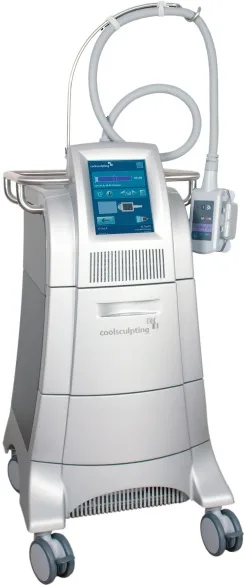 Fig 3. Cryolipolysis platform (console + vacuum handpiece). The applicator and cooling profile define the dose. (Avram, 2015, p. 136).
> Fuentes: Avram, Fat Removal [2015], fig 7.3 [21].
Fig 3. Cryolipolysis platform (console + vacuum handpiece). The applicator and cooling profile define the dose. (Avram, 2015, p. 136).
> Fuentes: Avram, Fat Removal [2015], fig 7.3 [21].
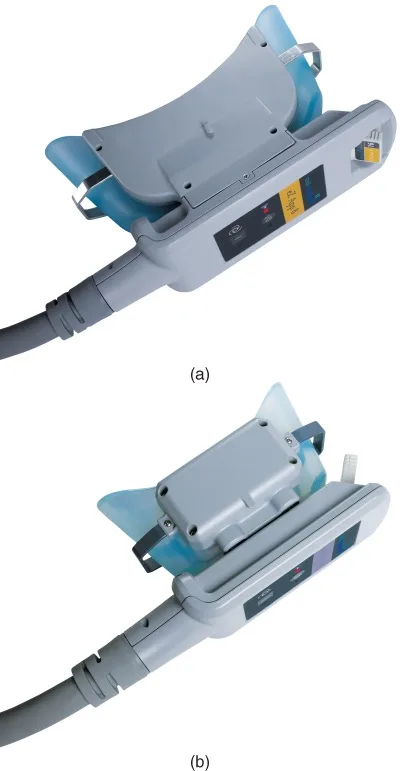 Fig 4. Vacuum-cup applicators draw tissue between cooling plates; ⚠ if the fold does not seat well, change the applicator, do not force it (uneven cooling leaves a step at the print edge). (Avram, 2015, p. 137).
> Fuentes: Avram, Fat Removal [2015], fig 7.4 [21].
Fig 4. Vacuum-cup applicators draw tissue between cooling plates; ⚠ if the fold does not seat well, change the applicator, do not force it (uneven cooling leaves a step at the print edge). (Avram, 2015, p. 137).
> Fuentes: Avram, Fat Removal [2015], fig 7.4 [21].
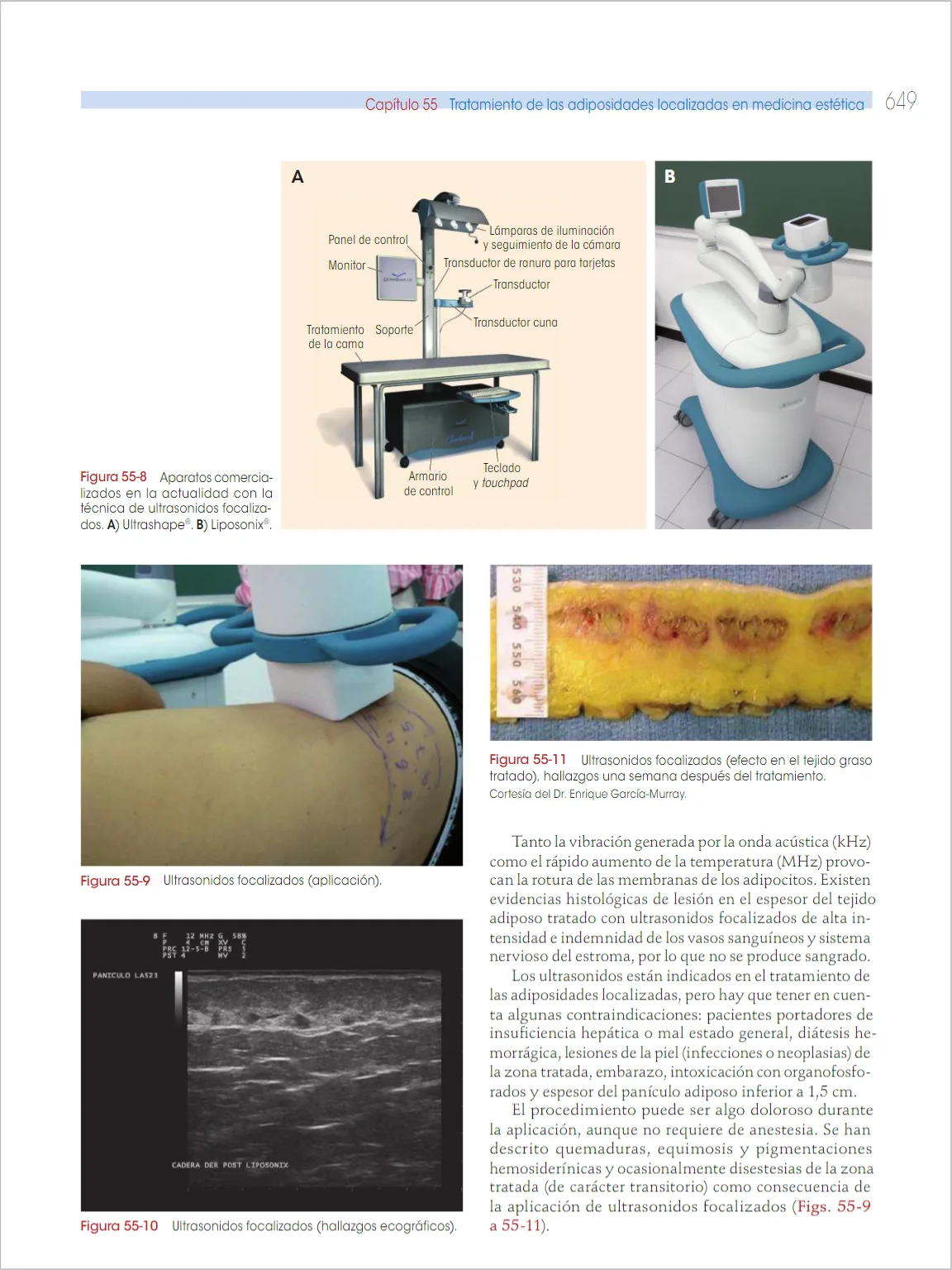 Fig 5. Focused-US platforms (UltraShape, Liposonix), handpiece application, echographic and gross tissue effect at one week. The corpus page also states the hard gates: minimum panniculus 1.5 cm, no anaesthesia required, and burns/ecchymosis/hemosiderin as expected events. (Fernández-Tresguerres, 2019, p. 674).
> Fuentes: Fernández-Tresguerres, Medicina Estética y Antienvejecimiento [2019], figs 55-8 to 55-11 [40].
Fig 5. Focused-US platforms (UltraShape, Liposonix), handpiece application, echographic and gross tissue effect at one week. The corpus page also states the hard gates: minimum panniculus 1.5 cm, no anaesthesia required, and burns/ecchymosis/hemosiderin as expected events. (Fernández-Tresguerres, 2019, p. 674).
> Fuentes: Fernández-Tresguerres, Medicina Estética y Antienvejecimiento [2019], figs 55-8 to 55-11 [40].
Trampa clásica: copying a fluence, temperature or cycle count from a competitor platform because "it is the same technology." ⚠ It is a burn or a null result; the IFU of the unit in the room governs [1][14].
Cryolipolysis platforms. CoolSculpting and CoolSculpting Elite (Zeltiq, now Allergan/AbbVie) are the reference systems, with more than 23 million cycles performed and long-term reduction shown to 5 years when weight is stable [1]. Tissue is drawn between two cooling plates inside a gel-lined vacuum cup; a coupling sheet protects the skin. The applicator family is the key variable: standard vacuum cups, flat non-vacuum heads for zones that cannot be drawn, the CoolMini for the submental region (⚠ avoid thyroid enlargement there), a flat-contour CoolCup validated for arm fat, and newer contoured medium applicators that increase tissue contact and cut cycle time to ~25 minutes [1][38]. Clatuu Alpha (Classys) is an FDA/CE-cleared alternative cooling platform [43]. ⚠ Non-cleared replicate cryolipolysis devices are commercially available and are exactly where ulceration and scarring have been reported; a replicate device is not interchangeable with a cleared one [1].
Focused-ultrasound platforms. Liposonix (Solta/Valeant) applies 2 MHz through a steerable multi-element phased array to a fixed 1.3 cm focus, FDA-cleared 2011 for waist circumference [14][12]. UltraShape/Contour (Syneron-Candela) uses a single-element ceramic transducer at 200 kHz with a mechanical, non-thermal action at 7/10/15 mm, FDA-cleared 2014 (Contour I) for abdominal circumference, and is often paired with RF before and after [14][13]. ⚠ Different indications-for-use (waist vs abdominal) are frequently used off-label for other zones [14].
Radiofrequency platforms, the widest and most confusing shelf: - Exilis (BTL), monopolar with contact and convective cooling, drives skin to 42–43 °C, treats a 5 × 7 cm area in 6–8 minutes (abdomen ~30 min), penetrates 0.4–2.5 cm with depth set by cooling, over 4 weekly sessions [13]. - Vanquish (BTL), a contactless capacitive far-field device that heats adipose selectively to 40–45 °C (surround 40–41 °C) for adipocyte apoptosis, never touching the patient; erythema resolves within an hour [13]. - Pelleve (Ellman), monopolar continuous-motion with an infrared thermometer; used off-label for localized fat and loose skin, ⚠ requires local anaesthetic injection [13]. - ThermiTight (Thermi), a minimally invasive monopolar device delivering RF through a 600 µm subdermal electrode under temperature control [13]. - TriPollar (multipolar) and Accent (unipolar, running monopolar and bipolar shortwave), holding skin at 40–42 °C, once weekly for 6–8 weeks with monthly maintenance [29][17]. - VelaShape / Vela class combines RF with infrared and vacuum for cellulite and circumference [21][17]. - RFAL / BodyTite (Invasix/InMode) is the invasive member: a bipolar handpiece with an internal cannula in the adipose plane and an external electrode, the gap adjustable 5–50 mm for targeted depth, driven to a 45–48 °C adipose/subdermal target with external skin cutoff; a subdermal laser at 42 °C produced 17% skin contraction in a split-abdomen study, and RFAL uses the same thermal-contraction principle at scale [18][22].
Laser-lipolysis devices (all Nd:YAG or diode, target and pulse structure differ):
| Brand (maker) | Source | Wavelength (nm) | Chromophore target | Pulsed / continuous |
|---|---|---|---|---|
| CoolLipo (CoolTouch) | Nd:YAG | 1320 | Water | P |
| SlimLipo (Palomar) | Diode | 924 / 975 | Fat (924) / Water (975) | C |
| SmartLipo (Cynosure) | Nd:YAG | 1064 | Water | P |
| SmartLipo MPX (Cynosure) | Nd:YAG | 1064 / 1320 | Water | P |
| SmartLipo Triplex (Cynosure) | Nd:YAG | 1064 / 1320 / 1440 | Water / fat | P |
| ProLipo (Sciton) | Nd:YAG | 1064 / 1319 | Water | P |
| LipoLite (Syneron) | Nd:YAG | 1064 | Water | P |
| Lipotherme (Osyris) | Diode | 980 | Water | C |
| SmoothLipo (Eleme) | Diode | 920 | Water | C |
Fibers run 300, 600 and 1000 µm; the Precision TX (SideLaze) is a small facial/neck fiber [19]. SculpSure (1060 nm diode) is the non-invasive laser sibling, FDA-cleared for non-invasive lipolysis of flanks and abdomen in ~25-minute applications [25][13].
HIFEM and cellulite devices. Emsculpt and Emsculpt NEO (BTL) deliver HIFEM (Emsculpt) or synchronised RF + HIFEM (NEO), cleared for the abdomen, arms, buttocks, thighs and calves; EMSELLA is the pelvic-floor sibling [26][43]. For cellulite: Cellfina (Ulthera/Merz) uses vacuum-assisted tissue guidance and a reciprocating 6 or 10 mm microblade; Cellulaze (Cynosure) is a 1440 nm side-firing subdermal fiber; Avéli/TVS (Revelle) is a handheld device that verifies septum release before cutting; RESONIC/RAP (Soliton, now Allergan/AbbVie) delivers rapid acoustic pulses for acoustic subcision; endermologie/LPG (Cellu M6, Keymodule 2i) is a compressed-air roller-vacuum system [30][31][32][36][29].
Efficacy by modality, the numbers behind the settings (kept separate, never averaged across devices):
| Modality (device) | Metric | Result | Source |
|---|---|---|---|
| Cryolipolysis | Fat-layer reduction | 10.3–25.5% (US), 14.7–28.5% (caliper); 40–56 mL per 1-h cycle | [39][20][4] |
| Cryolipolysis | Durability | up to 5 years, weight stable | [1] |
| Cryolipolysis (inner thigh) | Fat layer / circumference | −2.8 cm (US) / −0.9 cm circumference at 16 wk, single cycle | [1] |
| Liposonix HIFU | Waist circumference | −2.44 cm (3 × 59 J/cm²) vs −1.43 sham; −2.5 cm at 12 wk | [13][16] |
| Liposonix HIFU | Retrospective series | −4.6 cm at 3 mo (85 patients) | [13] |
| HIFU + RF (Chang) | Fat thickness (MRI) | −25% | [14] |
| UltraShape | Circumference / fat | −2 cm / −3 mm, single treatment; ~50% by 2 wk | [14] |
| RF (multiple energies) | Waist / tightening | modest, adjunctive to fat reduction | [13][17] |
| Laser lipolysis (Nd:YAG) | Fat volume (MRI) | −17% (30 patients); 17% skin contraction at 42 °C | [19][18] |
| SculpSure (1060 nm) | Fat | non-invasive lipolysis, flanks/abdomen | [25] |
| HIFEM (Emsculpt) | Muscle / fat | ~+16% muscle, ~19% fat (22 patients, MRI) | [26] |
| HIFEM + RF (NEO) | Muscle / fat | ~+25% muscle, ~30% fat (41 patients, MRI); waist −6.7 cm at 6 mo | [27] |
| HIFEM + RF (NEO) | Visceral fat | reduction peaking at 3 mo, held to 6 mo | [28] |
| Cellfina (TVS-GS) | Cellulite (CSS) | 94% ≥1-grade at 1 yr, 91.1% at 3 yr, 96% satisfaction | [30] |
| Cellulaze (1440 nm) | Cellulite | durable at 1 year | [31] |
| Avéli (TVS) | Cellulite | durable at 12 months (pivotal) | [32][33] |
| CCH (Qwo) | Cellulite (composite) | ≥1-level responders 37.1–41.6% vs 11.2–17.8%; ⚠ withdrawn | [34] |
| RAP (RESONIC) | Cellulite | single session, mean pain 2.4/10 | [36] |
| LLLT (Zerona 635 nm) | Circumference | −1.9 to −2.6 cm; ⚠ weak, adjunctive | [13] |
E4.5 · Settings step by step, resolved by target and skin type
Answer first: the class-level dose ladder with the clinical target reading each modality drives to. ⚠ Read the ladder as the shape of the setting, not the number to dial: the number is the IFU of the unit in the room [1][14].
| Modality | Energy / temperature | Cycle / passes / stacking | Cooling | Clinical target reading (what tells you it worked) | Resolved by |
|---|---|---|---|---|---|
| Cryolipolysis | ~ −11 °C class; vacuum draw | 1 cycle/site, 35–60 min; may stack 2 cycles same bulge | The cold is the dose | Firm "butter-stick" plaque immediately, resolving over minutes; result at 8–12 wk | Applicator fit to the fold; zone |
| HIFU (Liposonix) | 59 J/cm² per pass (47 J/cm² lower-fluence option) | 3 passes grid or site repeat; total 141–180 J/cm² | None | Localized prickling/heat during; no immediate contour change | Fat thickness ≥ 2.5 cm; bony landmarks avoided |
| Non-thermal US (UltraShape) | 200 kHz mechanical | 3 sessions; focus 7/10/15 mm | None | No immediate change; day-14 caliper drop | Fat ≥ 3 cm; focus by depth |
| Monopolar RF (Exilis) | Skin 42–43 °C held | 6–8 min per 5×7 cm; abdomen ~30 min | Contact + convective | Skin held at target on the IR thermometer for the dwell | Real-time thermometry |
| Contactless RF (Vanquish) | Adipose 40–45 °C | Hands-free, area-based | None (non-contact) | Comfortable deep warmth, no surface pain | Impedance auto-adjust |
| Multipolar RF (TriPollar) | Skin 40–42 °C | Weekly ×6–8 | None | Erythema clearing in 2–3 h | Held target time |
| RFAL (BodyTite) | Adipose/subdermal 45–48 °C | Single intra-operative pass per zone | External electrode cutoff | Internal target temperature reached with skin cutoff safe | Internal + external thermometry |
| Laser lipolysis | Internal 48–50 °C | Single subdermal pass, fiber depth set | None | Skin retraction, target internal temperature | Fiber wavelength + depth |
| HIFEM ± RF | Supramaximal contraction ± RF fat-apoptosis heat | Emsculpt 4×; NEO 3 × 30 min | RF warms | Tolerated maximal contraction; NEO fat warmth <4 min | Contraction tolerance |
| Cellfina subcision | Mechanical | Single session, blade 6 or 10 mm | None | Palpable release of the tethered dimple | Blade depth per dimple |
How skin type moves the settings. The fat and muscle devices (cryolipolysis, HIFU, non-thermal US, HIFEM) act below the dermis and are largely skin-type-agnostic, which is why HIFU showed no hyperpigmentation across an unspecified-phototype series and Emsculpt NEO is cleared for Fitzpatrick I–VI [13][43]. ⚠ The pigment risk lives in the superficial thermal devices (surface RF, subdermal laser near the dermis): in darker skin the operator lowers surface temperature, extends the dwell rather than the peak, and keeps the cooling working, because skin damage rises exponentially with temperature and PIH follows any epidermal overheating [17][20]. The one device whose PIH signal is genuinely disputed is cryolipolysis (E4.9), and there the driver was a non-cleared replicate device, not skin type [20].
The stacking and passes rule that prevents the two most common contour defects: 1. ⚠ Map the treatment area with the patient standing, then follow the map. Improvised pass overlap is the direct cause of contour irregularity in every fat-destroying modality [1]. 2. ⚠ Never overlap two thermal devices on the same tissue in one session (heat is cumulative) and ⚠ never apply heat to tissue you have just cooled in the same visit; separate the sessions or run RF first, per IFU [13]. 3. Fit the applicator to the tissue, not the tissue to the applicator. If the fold does not seat, change the head or do not treat that zone; a poorly seated cryo cup cools unevenly and leaves a visible step [21].
Trampa clásica: setting RF by watts and time instead of temperature. Without thermometry you cannot know the tissue reached the biologic target, and pushing power to compensate is how the epidermis burns [17][20].
E4.6 · Treatment protocol: test spot, sessions, interval, priming and skincare
Answer first: sessions and interval are mechanism-driven, and the review is scheduled to the mechanism, never to patient anxiety.
| Modality | Test spot | Sessions | Interval | First visible result | Review |
|---|---|---|---|---|---|
| Cryolipolysis | Not standard (deep, temperature-limited) | Often 1 cycle/site; 2nd cycle possible | ≥ 8–12 wk if repeating | 2–4 months | 8–12 wk, not days [1][21] |
| HIFU (Liposonix) | Optional | 1 (or 3 in early protocols) | 2–4 wk if multiple | 8–12 wk | 12 wk [15][16] |
| Non-thermal US | Optional | 3 | 2 wk (or monthly) | day 14 | 4–12 wk [14] |
| Monopolar RF (Exilis) | ⚠ Recommended for laxity zones | 4 | weekly | progressive | 6–12 wk [13] |
| HIFEM | No | 4 | q2–5 days (over ~2 wk) | 6–8 wk | 8 wk, then maintenance [26] |
| HIFEM+RF (NEO) | No | 3 × 30 min | q1 wk | 3 mo (peak), held to 6 mo | 3 and 6 mo [27][28] |
| Cellfina / TVS | No | 1 | single | weeks | 3, 12 mo, durable [30][32] |
| CCH (Qwo) | No | up to 3 | q3–4 wk | after series | ⚠ withdrawn [34] |
| Endermologie | No | series | 1–2 /wk | gradual | continuous maintenance [29] |
Assessment before any device is named (this is the protocol, not the machine): 1. Weight and weight stability. ⚠ Weight changing means do not treat; the timeline is months, not weeks [1]. 2. The pinch, zone by zone: pinchable fat / visceral fat / skin without content. Write it down [12]. 3. Standing and supine. ⚠ What disappears when the patient lies down is laxity or cellulite, not localized fat. 4. Muscle contraction: assess the muscle component and rectus diastasis before offering HIFEM [26]. 5. Name the target out loud in front of the patient: fat, skin, muscle or septum. If several, sequence them; do not treat all at once. 6. ⚠ Say what the device cannot do before saying what it can.
Documentation and priming: - Standardized photography: same distance, posture, reference points and light; for cellulite, tangential light and standing (E4.10) [20]. - Tape measurements at marked anatomic points, not "at the waist," plus baseline weight recorded with the written note that it is not the outcome measure [1]. - Priming / skincare: hydration and, for fat-reduction and RFAL, a compression garment worn 2–3 weeks post-procedure to control edema and support retraction [20]. No isotretinoin gate applies to non-ablative fat devices, but any active skin infection in the field defers treatment.
Session sequence and follow-up: - Mark with the patient standing, then position; fat shifts on lying down [1]. - Record device, applicator, zone, parameters and cycle/pass count in the chart. Without this you can neither reproduce a good result nor investigate a bad one [1]. - Continuous patient communication in thermal modalities: pain is the alarm; a patient who cannot feel has no alarm [17]. - ⚠ Review at the mechanism's timescale. Cryolipolysis and HIFU results take weeks to months; reviewing at a few days only generates anxiety and premature re-treatment demands [21]. - ⚠ Decide before repeating: if the first course moved nothing objectifiable, repeating the same thing is not a plan; the target was wrong or the indication is surgical [1].
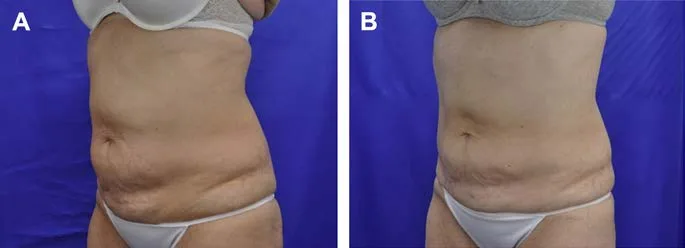 Fig 6. Cryolipolysis result at 3 months (2 lower + 1 upper abdominal cycles). The change is modest and delayed, measured by standardized photograph and tape, not by weight. (Branham/Advances in Cosmetic Surgery, 2018, p. 83).
> Fuentes: Advances in Cosmetic Surgery [2018], fig 1 [20].
Fig 6. Cryolipolysis result at 3 months (2 lower + 1 upper abdominal cycles). The change is modest and delayed, measured by standardized photograph and tape, not by weight. (Branham/Advances in Cosmetic Surgery, 2018, p. 83).
> Fuentes: Advances in Cosmetic Surgery [2018], fig 1 [20].
Trampa clásica: reviewing at a few days and offering a repeat. The mechanism is delayed; an early review reads as failure to both parties and drives premature, unnecessary re-treatment [21].
E4.7 · Anaesthesia, eye protection and asepsis of the act
Answer first: the act splits cleanly into non-invasive (clean, usually no anaesthesia) and invasive (sterile, tumescent local). The rule that decides the whole set-up is whether an instrument crosses the skin.
| Modality | Anaesthesia | Eye protection | Asepsis level |
|---|---|---|---|
| Cryolipolysis | None (cold is analgesic); topical not needed | Not required | Clean skin, coupling sheet/gel [12][21] |
| HIFU (Liposonix) | None; ⚠ painful, plan distraction | Not required | Clean prep [15][40] |
| Non-thermal US | None | Not required | Clean prep [14] |
| Non-contact RF | None | Not required | Clean prep [13] |
| Contact/monopolar RF | None to topical | Not required | Clean prep, gel [17] |
| HIFEM ± RF | None | Not required | Clean skin [26] |
| Laser lipolysis | ⚠ Tumescent local | ⚠ Wavelength-specific goggles, patient + all staff | ⚠ Sterile field [22][19] |
| RFAL (BodyTite) | ⚠ Tumescent local ± sedation | Not a laser | ⚠ Sterile field [18] |
| Cellfina / TVS / subcision | ⚠ Local (Cellfina delivers anaesthetic through the vacuum guide) | Not required | ⚠ Sterile technique [20][30] |
| CCH (Qwo) | None to topical | Not required | Aseptic injection [34] |
Anaesthesia, in detail. The external fat and muscle devices need no anaesthesia: cryolipolysis is self-anaesthetising once cold, and HIFU and non-thermal US are done without anaesthesia even though HIFU is among the worst-tolerated non-invasive treatments [40][15]. ⚠ Plan analgesia by distraction and forced cool air, not by injection, and warn the patient: an unprepared HIFU patient does not return [13]. For the delayed, intense late-onset pain some cryolipolysis patients report at ~2 weeks, oral gabapentin is the corpus-supported measure [12][1]. The invasive members run on tumescent local anaesthesia: a representative subdermal-laser protocol premedicates with diazepam 10 mg one hour before, preps with benzalkonium 1:750, drapes sterile, and infiltrates 1% lidocaine with 1:200,000 epinephrine [22].
Eye protection is a laser-only requirement here, and it is absolute. Laser lipolysis uses Nd:YAG at 1064/1320/1440 nm, a real ocular hazard, so the patient and every person in the room wear wavelength-matched goggles and the door is signed and interlocked per laser-safety rules (G1 — Laser Principles & Classification.en) [19]. Cryolipolysis, RF, ultrasound and HIFEM carry no ocular hazard and need no goggles.
Asepsis follows the skin barrier. Non-invasive devices need only clean skin and a coupling medium; the UPO body-contouring teaching states the same golden rule for any injection or minor procedure in this region, chlorhexidine field disinfection always [D-UPO]. The instant an instrument crosses the skin (laser fiber, RFAL cannula, subcision blade), the act becomes a sterile procedure: sterile prep, sterile drape, sterile instrument, and the full aseptic technique specified in J5 — Asepsis, Sterilization & Biofilm.en. ⚠ Counterfeit or non-FDA cryolipolysis and injectable devices are exactly where ulceration and infection have been reported; asepsis cannot rescue a non-cleared device [1].
Trampa clásica: running an invasive laser-lipolysis or subcision act with the clean set-up used for cryolipolysis. Once the skin is breached the standard is sterile, and a clean-only field on a subdermal fiber invites infection [22][19].
E4.8 · Contraindications and precautions
Answer first: the contraindication is device-specific, and the two that get people hurt are cold disorders for cryolipolysis and implanted electronics for RF.
| Contraindication | Cryo | HIFU / US | RF (non-inv) | RFAL / laser lipo | HIFEM | Cellulite (subcision/CCH) |
|---|---|---|---|---|---|---|
| Cold disorders (cryoglobulinemia, cold agglutinin, PCH, cold urticaria) | ⚠ Absolute | — | — | — | — | — |
| Raynaud disease | ⚠ Relative / negative-outcome predictor | — | — | — | — | — |
| Hernia in the treatment zone | ⚠ Absolute | ⚠ Absolute | caution | ⚠ Absolute | ⚠ Absolute | caution |
| Implanted electronics (pacemaker, ICD, neurostimulator, pump) | caution | caution | ⚠ Absolute | ⚠ Absolute | ⚠ Absolute | — |
| Metal in the field / IUD | caution | caution | ⚠ Absolute (IUD per IFU) | ⚠ Absolute | ⚠ Absolute (IUD per IFU) | — |
| Pregnancy | ⚠ Avoid | ⚠ Avoid | ⚠ Avoid | ⚠ Avoid | ⚠ Avoid | ⚠ Avoid |
| Active infection / open lesion in field | ⚠ Defer | ⚠ Defer | ⚠ Defer | ⚠ Defer | ⚠ Defer | ⚠ Defer |
| Altered sensation in zone | ⚠ caution | ⚠ caution | ⚠ High risk (no pain alarm) | ⚠ High risk | — | — |
| Coagulation disorder / bleeding diathesis | caution | ⚠ Relative (bruising) | — | ⚠ Relative | — | ⚠ Relative (bruising) |
| Hepatic insufficiency / poor general state | — | ⚠ Relative | — | caution | — | — |
| Epilepsy / seizure disorder | — | — | — | — | ⚠ Relative | — |
| BMI > 30 | ⚠ Not indicated | ⚠ Not indicated | — | — | — | — |
Cold disorders are the absolute bar for cryolipolysis: cryoglobulinemia, cold agglutinin disease, paroxysmal cold hemoglobinuria and cold urticaria, because a cold challenge can trigger systemic disease [12][9]. ⚠ Raynaud disease is different: it is a predictor of a negative outcome, not an absolute contraindication, and the distinction matters because reflexively excluding every Raynaud patient denies treatment that dedicated series show can be delivered with counseling [11].
Implanted electronics and metal are the absolute bar for radiofrequency. RF energy couples to implanted pacemakers, defibrillators, neurostimulators and pumps and to metal in the field; ⚠ ask about them at the first visit and document a signed answer, because the failure mode is device malfunction or a deep burn [17][13]. HIFEM adds the same electronics/metal bar plus, per IFU, an IUD, a hernia in the treated zone, recent surgery in the field and epilepsy [26][43].
Precautions that are quietly dangerous: - ⚠ Altered sensation in the target zone removes the pain alarm on which every thermal treatment depends. If the patient cannot feel, you have no early warning of a burn [17]. - Photosensitisers, recent tanning, isotretinoin: these govern pigment-targeting and ablative lasers, not fat-targeting devices, but ⚠ any superficial thermal device (surface RF, dermal-adjacent laser) on recently tanned or actively inflamed skin should be deferred, and isotretinoin is a reasonable relative hold for any invasive dermal-heating act on scar-forming grounds (G1 — Laser Principles & Classification.en, J8 — Contraindications & Special Populations.en). - HIFU-specific relative contraindications: hepatic insufficiency or poor general state, bleeding diathesis, organophosphate intoxication, and a panniculus < 1.5 cm in the zone [40][13]. - Pregnancy stance: ⚠ every device in this chapter is deferred in pregnancy. There is no efficacy or safety data, and the default across device-safety literature is to avoid [12][26].
Trampa clásica: not asking about implanted electronics in a young, healthy-looking patient before RF or HIFEM. It is the most-forgotten question and the one with the worst consequence; it is asked and signed at the first visit [17][26].
E4.9 · Complications specific to energy delivery and their management
Answer first: the complication is the fingerprint of the mechanism, and PAH is the one that is disputed by an order of magnitude. Expected reactions are consented as expected; complications are consented by name [1].
| Complication | Modality | Signature | Management |
|---|---|---|---|
| Thermal burn | RF, HIFU, laser lipolysis | Blistering, eschar; surface >45 °C | Cool, wound care, refer if deep (M3 — Burns & Thermal Injury.en) [17][20] |
| Blistering / superficial burn | HIFU (prototype), non-thermal US, Zerona | Small blisters, self-limited | Conservative; declare as possible [13] |
| PIH / hypopigmentation | Cryo, superficial thermal | Delayed pigment change | Sun avoidance, topical; ⚠ incidence disputed (below) [20][10] |
| Scarring / ulceration | ⚠ Counterfeit cryo; RFAL overtreatment | Ulcer, fibrosis, adhesions | None with cleared devices; ⚠ device-quality issue [1][22] |
| Paradoxical adipose hyperplasia | Cryolipolysis | Firm, demarcated mass, applicator-shaped, 3–6 mo | ⚠ Liposuction, not more cryo [6][9] |
| Delayed-onset pain / neuralgia | Cryolipolysis | Onset ~3 d, lasts 2–60 d (mean 11 d) | Gabapentin; reassure [12][5] |
| Prolonged paraesthesia / numbness | Cryolipolysis | Weeks, very common | Expected; consent in writing [1] |
| Contour irregularity / step | Any fat-destroying device | Ridge at applicator edge / pass overlap | Map and follow it; fit applicator [1][21] |
| Subcutaneous induration / nodules | HIFU, cryo | Firm, transient | Resolve 3–6 mo [39][13] |
| Vasovagal | Cryolipolysis | Dizziness, faint during/after | Supine, observe [39] |
| Bruising / ecchymosis | Subcision, CCH, HIFU | Universal and extensive in subcision/CCH; 2/3 in HIFU | Consent with photos; ⚠ hemosiderin can persist [20][34] |
| Seroma / exudative collection | Cellulaze, subcision | Fluctuant collection | Intermittent aspiration [20] |
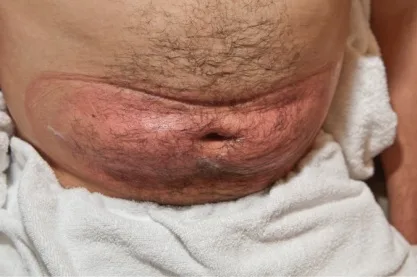 Fig 7. Immediately post-cryolipolysis: erythema, edema and a cool, firm plaque in the vacuum footprint, all transient. ⚠ Do not confuse this expected reaction with paradoxical adipose hyperplasia, which is firm, well-demarcated, applicator-shaped and appears months later. (Avram, 2015, p. 144).
> Fuentes: Avram, Fat Removal [2015], fig 7.10 [21].
Fig 7. Immediately post-cryolipolysis: erythema, edema and a cool, firm plaque in the vacuum footprint, all transient. ⚠ Do not confuse this expected reaction with paradoxical adipose hyperplasia, which is firm, well-demarcated, applicator-shaped and appears months later. (Avram, 2015, p. 144).
> Fuentes: Avram, Fat Removal [2015], fig 7.10 [21].
Paradoxical adipose hyperplasia (PAH), the signature complication, and its unresolved incidence. PAH is a firm, painless, well-demarcated mass in the treated area, classically described as a stick of butter under the skin, appearing months after cryolipolysis and not resolving spontaneously; the treatment is liposuction once stabilized, never more cryolipolysis [6][9]. It is reported more often in men and possibly in patients of Hispanic descent, and the leading hypotheses are stem-cell recruitment or reperfusion in hypoxic adipocytes [6][7][20].
⚠ The incidence is genuinely in conflict, and source-policy forbids averaging it. Both bounds are kept with their basis:
| Source | Reported PAH incidence | Basis |
|---|---|---|
| Device label / Few 2018 | 0.0051% (≈ 1 in 20,000) | manufacturer registry [1][20] |
| Yeh & Fabi 2019 (Alam) | 0.021%, 55% in men | pooled literature [12] |
| Nikolis 2020, multicenter | higher, practice-based (8,658 cycles / 2,114 patients) | single-network audit [8] |
| Mah 2025, systematic review + meta | 0.22% (95% CI 0.10–0.47), I²=0 | 6-database pooled [9] |
Decides: the 2025 meta-analysis puts the pooled rate roughly 40× above the manufacturer label and concludes PAH is under-recognised and under-reported [9]. ⚠ Whatever the true figure, PAH is consented by name at every cryolipolysis, always; the number is disclosed as a range, not as the label alone. Time to appearance also varies by source (2–3 months in one series, 4–5 in another, stabilizing at 5 months in a third), so the review window is kept open [21][39].
Distinguishing PAH from a poor result and from the expected reaction: a poor result is soft, diffuse fat that did not reduce; the expected immediate reaction (Fig 7) is erythema and a transient cool plaque; ⚠ PAH is hard, demarcated, applicator-shaped, and grows [6][21]. Confusing the three is the documentation error that turns a manageable complication into a complaint. Links: systemic and emergency complications in J1 — Vascular Occlusion & Necrosis.en through J8 — Contraindications & Special Populations.en; burns in M3 — Burns & Thermal Injury.en.
Trampa clásica: calling a delayed firm mass "fat that came back" and offering another cryolipolysis cycle. ⚠ It is PAH; more cold makes it worse, and the correct path is documentation, explanation and referral for liposuction [6].
E4.10 · Alternatives and competing schools
Answer first: energy is one of four answers, and the honest grid names when it is the wrong one.
| Target / problem | Device answer | Injectable alternative | Surgical alternative | ⚠ When energy is NOT the answer |
|---|---|---|---|---|
| Localized pinchable fat | Cryo / HIFU / RF / laser lipo | Deoxycholic acid, phosphatidylcholine, carboxytherapy (E1 — Facial & Submental Lipolysis.en) | Liposuction (SAL/PAL/UAL/LAL) | Large-volume fat → liposuction is faster and definitive [22][24] |
| Visceral fat | none | none | none | ⚠ Metabolic medicine / K1; no device reaches it [12] |
| Skin laxity | RF / RFAL / laser tightening | Biostimulators (E2 — Body Fillers, Biostimulators & Skin Quality.en) | Dermolipectomy / abdominoplasty | ⚠ Frank redundant skin → surgery; no device competes [13][20] |
| Muscle definition | HIFEM ± RF | none | none | Adjunct to diet/training, not a substitute [26] |
| Discrete dimple cellulite | Cellfina / TVS / Cellulaze / acoustic | CCH (Qwo, withdrawn) | Manual subcision | ⚠ Diffuse energy never cuts a single septum [30][32] |
| Diffuse cellulite / laxity | RF, acoustic, endermologie | Biostimulator (hyperdilute) | none | Modest by definition; honest as adjunct [29][14] |
Fat: device vs injectable vs surgery. Liposuction remains the definitive, single-session route for larger localized fat, with laser-assisted (LAL), power-assisted (PAL) and ultrasound-assisted (UAL) variants that add skin retraction or ease of aspiration; ⚠ device contouring is for the patient near ideal weight who wants no downtime and accepts a modest, delayed result, not for the patient who wants a liposuction result without surgery [22][24]. The injectable route (deoxycholic acid, phosphatidylcholine/mesotherapy, and carboxytherapy at 20–25 mL/15 s flows, 50–150 mL per adiposity, 15–20 sessions [41]) overlaps the small-pocket niche of the fat devices and belongs to E1; ⚠ do not run an injectable lipolytic and a fat device in the same zone in the same session, because an adverse event cannot be attributed [1].
Cellulite, the competing schools, kept unaveraged because they change the hand in the chair: - Consensus: cellulite is a structural problem of fibrous septa, not fat; removing fat does not remove it, and a slim woman can have severe cellulite [20][29]. The single clinical question is: is there a discrete tethered dimple, or diffuse waviness? A discrete dimple is cut (subcision, TVS, Cellfina) or lysed (CCH); diffuse waviness is treated as skin quality with modest expectations [20]. - Discrepancy · septum-directed vs energy-only. School A (septum-directed subcision) shows the most durable results in the field: Cellfina held ≥1-grade improvement in 91.1% at 3 years and up to 96% satisfaction, with the Avéli TVS pivotal confirming durable 12-month results [30][32]. School B (energy or acoustic alone) is modest and temporary. ⚠ Decides: a discrete dimple goes to a septum device; energy for a discrete dimple is the classic indication error [30][31][36]. - Discrepancy · enzymatic subcision. CCH (Qwo) lysed septa with statistically significant composite response in RELEASE-1/RELEASE-2 (≥1-level responders 37.1% vs 17.8% and 41.6% vs 11.2% vs placebo), but ⚠ 84% of subjects bruised, and the product was withdrawn from the US market in December 2022 over the extent and variability of bruising and prolonged hemosiderin discoloration [34][35][42]. The mechanism is stable and still taught (enzymatic release of the septum); ⚠ the commercial and regulatory status is currency-bound and verified at the date of use, not asserted from memory.
Two settings-schools that do the opposite, never split the difference: 1. HIFU fluence: single high-fluence pass vs multiple lower-fluence sessions. Both reach statistically significant waist reduction; the high-fluence group did better at 4 weeks, with no difference by 12 weeks [16][15]. Decides: tolerance and scheduling, not efficacy. 2. Cryolipolysis: one cycle vs stacked cycles, massage vs no massage. Post-treatment massage improves the result via reperfusion injury; ⚠ it is uncomfortable and must be consented [20]. 3. RF: chase the maximum temperature vs hold a safe temperature longer. ⚠ Holding wins; skin damage is exponential in temperature, so the safe route to the biologic target is time at a safe temperature, not peak [17]. 4. HIFEM evidence weighting. ⚠ Much of the HIFEM literature is manufacturer-funded (Kinney reports ~19% fat and ~16% muscle change; Jacob reports ~30% fat and ~25% muscle for the RF-synchronized NEO), and independent replication is thinner; cite it, use it, and declare the funding, exactly as for the deoxycholic-acid trials in E1 [26][27][28]. 5. Sequencing combinations: fat first, then skin, then muscle (rational, different targets) vs everything in one session (rejected in thermal work, cumulative heat and unattributable complications) [13]. 6. ⚠ Fat-graft harvest: never destroy the fat you plan to harvest; if autologous fat transfer is planned, protect the donor zone before treating anything (F5 — Autologous Fat Transfer.en) [1].
Trampa clásica: selling a non-invasive device as an alternative to surgery for frank skin redundancy. ⚠ With a true skin excess, no external device competes with a dermolipectomy, and saying so is the job [13][20].