F1 · Mesotherapy, Skin Boosters & Microneedling
Domain: F — Skin Quality & Regenerative Medicine · Template: PROCEDURE · Family: three minimally-invasive skin-quality modalities (intradermal mesotherapy/biorevitalisation · HA skin boosters and bioremodelling · microneedling percutaneous collagen induction, plus fractional RF-microneedling)
> Tags: [A] technical sheet, IFU or approval with brand + date · [B] primary literature with the PMID/DOI carried in the reference list · [C] monograph or textbook · [D] slide or expert opinion · [MEDLIB] own corpus · [MODELO] structure only, never a number · [IA-ESPEC] AI speculation, never actionable · ⚠ disputed number or highlighted risk. (P) marks the model's own reasoning and never carries a dose.
This is the "skin quality" chapter, and it opens by taking that phrase apart. Skin quality is not one indication: it is a family of separate ones (hydration, texture, pore, radiance, fine line, mild laxity, pigment, scar), and they are not treated with the same tool. Three verbs, kept apart from the first line to the last, structure every block:
| Verb | What it does | Modality in this chapter | Not this chapter |
|---|---|---|---|
| Hydrate / biorevitalise | Delivers water, glycosaminoglycan and micronutrients to the dermis, diffusely | Mesotherapy · HA skin boosters (§F1.3) | — |
| Biostimulate | Induces new collagen/elastin through a material or a substrate | Bioremodelling HA, polynucleotides, hyperdilute CaHA/PLLA (§F1.3, §F1.9) · see A4 — Bioestimuladores - ciencia de materiales.en | Volumising fillers → domain D |
| Injure in a controlled way | Triggers repair through calibrated micro-trauma | Microneedling, RF-microneedling (§F1.3–F1.5) | Ablative laser → G-domain |
> ⚠ Nothing here fills. Neither mesotherapy, nor a booster, nor bioremodelling, nor microneedling corrects a fold, projects a cheekbone or lifts a jawline. If the patient's complaint is a nasolabial fold or volume loss, this whole chapter will disappoint them, however well executed. The consultation's first task is to make the patient name which of the eight things bothers them; if they say "skin quality", the question is not finished [6][1].
In 30 seconds
| Modality | Core indication | Plane / depth | Per-session ceiling | Induction → maintenance | Red line |
|---|---|---|---|---|---|
| Mesotherapy / biorevitalisation | Dull, dehydrated, poor-quality skin; radiance, fine texture | Intradermal, < 4 mm (superficial to deep dermis) [1] | Microdeposits, no rice-grain overcorrection; total volume by area | ~3 sessions every 2 weeks, then monthly [4] | Injecting a vial whose legal identity and composition you cannot name [1][2] |
| HA skin booster (Restylane Vital, Teosyal Redensity I, SkinVive/VYC-12L) | Hydration, mild crepe, texture; cheek smoothness (SkinVive approved) [7] | Mid-dermis microbolus / microdroplet, ~0.02 mL aliquots [39] | Product-specific; visible papule is expected, consent it | 2–3 sessions at 3–4 weeks, then ~6-monthly [7][39] | Selling it as a lift; it does not lift or fill [6] |
| Bioremodelling (Profhilo, 32 mg H-HA + 32 mg L-HA / 2 mL) | Skin laxity of face/neck, roughness, hydration | Mid-deep dermis, BAP bolus 0.2 mL/point [8] | 5 Bio-Aesthetic Points per side (face); 10 microwheals (neck) [8] | 2 sessions 4 weeks apart, then 6-monthly [8] | Treating frank laxity: it is not a lift [6][8] |
| Microneedling (PCI) | Atrophic acne scars (best evidence), texture, rejuvenation, striae [10][20] | Percutaneous, 0.5 mm (rejuvenation) → 1.5–2.5 mm (scars) [9][19] | Uniform pinpoint bleeding is the stop sign; past it is damage, not more collagen [9] | 4–6 sessions ~4 weeks apart [20] | Cosmetic product on freshly needled skin → foreign-body granuloma [9][28] |
| RF-microneedling (Morpheus8-type) | Skin tightening, scars in darker phototypes | Insulated needles, bipolar RF to deep dermis, sparing epidermis [32] | Device energy/depth per IFU | Device-specific | ⚠ FDA 2025 safety alert: burns, scarring, fat loss, nerve damage with misuse [11] |
The three structural warnings, repeated in every block:
> ⚠ 1. This is the noisiest, least-regulated chapter of the atlas. Mesotherapy is not a substance; it is a route of administration. What matters is what you inject and under which legal figure: authorised medicine, CE-marked medical device, magistral formula, or a vial of unknown origin. Only one of those four covers you alone [1][2]. > ⚠ 2. The result is maintenance, not one session. A resorbable product sold as a permanent change is the fast route to a dissatisfied patient. Sell it as a cycle plus maintenance, or do not sell it [4][6]. > ⚠ 3. Evidence density is uneven by modality. Microneedling for atrophic scars has RCT-grade support [10][20]; mesotherapy as a category is structurally under-evidenced because every cocktail and protocol differs, so there is nothing to replicate twice [3][30]; several booster/bioremodelling claims are manufacturer in-vitro data separated from clinical outcome [6][8].
Classic pitfall: accepting "skin quality" as the indication and treating a complaint that was never defined; the signature is a technically perfect session that changed nothing the patient can point to on the mirror or the standardized photo [6][1].
F1.2 — Indication and patient selection
Answer first: match the verb to the complaint, then the modality to the verb. The eight complaints filed under "skin quality" do not share a treatment.
| Complaint the patient names | First-line modality here | When it is NOT this chapter |
|---|---|---|
| Dull, dehydrated, tired skin | Mesotherapy / HA booster (hydrate) [1][4][7] | — |
| Fine surface texture, radiance | Superficial mesotherapy, booster, light microneedling [4][9] | — |
| Enlarged pore, seborrhoea, mild couperose | Microneedling; intradermal low-dose toxin as adjunct [9][33] | — |
| Fine static lines, crepe (cheek, periocular, neck) | HA booster; bioremodelling [6][7][8] | Deep static rhytid → filler/toxin (domain D, C) |
| Mild skin laxity / early sag | Bioremodelling; RF-microneedling [8][32] | Frank laxity, jowl, platysmal band → lift, thread, energy (E3, G5) |
| Uneven pigment, dull tone | Mesotherapy antioxidant cocktail as adjunct; refer melasma [4][12] | Melasma proper → topical/laser derm pathway (⚠ caution below) |
| Atrophic acne scar, striae | Microneedling (best-studied); RF-microneedling [10][19][20] | Ice-pick scar subset → punch/CROSS (M2 — Scar Aesthetics & Revision.en) |
| Volume loss, fold, projection | None of this chapter | Filler / biostimulator / fat (A3, A4, F5) |
> ⚠ Nothing here fills, projects or lifts. If the presenting complaint is a nasolabial fold, tear-trough hollow or jawline sag, stop and redirect before proposing anything. Treating frank laxity with bioremodelling, or a fold with a booster, is the dominant selection error of this chapter and produces a technically clean session that the patient reads as a failure [6][8].
Who benefits, per modality
Mesotherapy / biorevitalisation benefits the patient with globally poor skin quality (dehydration, dull tone, fine texture, early photoaging) who accepts a maintenance regimen and understands the result is subtle and cumulative [1][4]. The best candidates are younger-to-middle skin with reversible surface change, not established dermal atrophy. Prikhnenko 2015 [5] frames polycomponent mesotherapy (the NCTF-type multivitamin cocktail) as a rational delivery of fibroblast substrate and cofactors; the corpus monographs (Tosti [4], Madhère [2], Ordiz [1], Knoll [12]) agree the modality's ceiling is skin quality, never contour.
HA skin boosters suit dry, rough, faintly creped skin of cheek, perioral, periocular, neck and dorsal hand [6][7]. Wong [6] positions boosters explicitly as hydration-and-texture tools that "hold up to 1000 times their weight in water without significant volumisation": the property that makes them a booster (spreading, low elastic modulus) is the same property that makes them useless for a fold. SkinVive/VYC-12L [7] carries the strongest booster indication (cheek skin smoothness, ≥1-grade ACSS responder 57.9% vs 4.5% control at one month, sustained to six months). SkinVive being the booster with an approved skin-quality indication and a controlled trial is a statement of evidence and regulatory status, which changes: verify at the date of use.
Bioremodelling (Profhilo-type) targets the patient with early skin laxity, roughness and hydration deficit of face or neck who is explicitly not seeking a lift [8]. Sparavigna 2022 [8] documents improvement in neck roughness and laxity with a fixed BAP protocol; the honest positioning is "skin quality and discreet firmness", and it competes badly when the complaint is true laxity, the same border as E3 — Thread Lifts & Suspension.en.
Microneedling has its firmest indication in atrophic acne scars, where systematic reviews of RCTs (Sitohang 2021 [20], the 2022 monotherapy meta-analysis [10], the 2019 JAAD review [30]) converge that it is an effective, well-tolerated modality; it also serves rejuvenation, texture, striae and drug-delivery [9][19]. The scar patient is the archetype because the outcome is objectifiable, unlike diffuse "quality".
The Fitzpatrick / skin-of-colour gate
| Phototype | Microneedling | Ablative/energy comparison | Key precaution |
|---|---|---|---|
| I–III | Standard candidate | Standard | Photoprotection routine |
| IV–VI | Preferred over ablative resurfacing [19][32] | Higher post-inflammatory hyperpigmentation (PIH) risk with ablative laser | Prime, conservative depth, strict photoprotection; PIH still possible |
Microneedling spares the epidermis and the melanocyte, so in darker phototypes it carries a lower PIH risk than ablative laser for the same scar or texture target [19]; the RF-microneedling critical review [32] likewise reports it can be used repeatedly and safely across phototypes. This epidermal-sparing advantage is the single strongest selection argument for microneedling in skin of colour. Two cautions survive it: (1) PIH is reduced, not abolished, so priming and photoprotection stay mandatory in IV–VI [30]; (2) active melasma is a relative caution, not a green light: microneedling has adjunctive melasma data but can also aggravate it, so it belongs to a dermatology pathway, not a generic quality menu [12][34].
What gets referred out
- Deep static rhytid, volume loss, fold, projection → filler/biostimulator/toxin (A3, A4, C-domain) [6].
- Frank laxity, jowl, platysmal band → energy, thread or surgical lift (E3, G5) [8].
- Active dermatosis in the field (inflammatory acne, eczema, rosacea flare, herpes) → treat/clear first [9][34].
- Melasma proper, suspicious pigmented lesion, undiagnosed rash → dermatology; never treat an undiagnosed lesion aesthetically [12][34].
- Keloid/hypertrophic-scar diathesis for deep microneedling → caution/refer (M2 — Scar Aesthetics & Revision.en) [21].
Standardized photography is the selection tool, not a formality. The result of every modality here is subtle by definition, so a baseline standardized photograph is the only way to prove a change and the only way to tell, at the end of a cycle, whether the complaint you treated was the complaint the patient had [6][4]. (P) When a full induction cycle moves nothing objectifiable on the photo, the working hypothesis should be that the indication was wrong, not that the product underperformed.
Classic pitfall: running microneedling over active inflammatory acne "because the patient has acne scars"; the pustules seed the micro-channels and the session disseminates infection instead of remodelling scar. Clear the active flare first [9][34].
F1.3 — Materials and mechanism of action
Answer first: three different materials, three different mechanisms, one shared target tissue (the dermis).
| Modality | Material | Primary mechanism | Onset → peak → decay |
|---|---|---|---|
| Mesotherapy | Non-crosslinked HA + vitamins, amino acids, minerals, coenzymes, nucleic acids, antioxidants (polycomponent) [1][5] | Local intradermal delivery of fibroblast substrate/cofactors at low dose, slow diffusion, scant systemic passage [1][3] | Days to weeks; peak after the induction cycle; decays over weeks without top-ups [4] |
| HA skin booster | Stabilised soft/low-crosslink HA (Restylane Vital, Teosyal Redensity I, SkinVive/VYC-12L) [6][7] | Dermal hydration (water binding) + fibroblast biostimulation (in-vitro up-regulation of collagen I/III/IV/VII, elastin) [4][6] | Hydration immediate; biostimulation over weeks; effect ~months (SkinVive to 6 mo) [7] |
| Bioremodelling | NAHYCO thermal hybrid H-HA + L-HA, BDDE-free (Profhilo 32+32 = 64 mg/2 mL) [8] | High HA concentration in a low-viscosity, high-diffusion gel; slow release biostimulates fibroblasts without volumising [8] | Weeks; two-session cycle; ~6-month maintenance [8] |
| Polynucleotides / PDRN | Salmon/trout-DNA biopolymer (Rejuran, Plinest), ~50–1500 kDa [15][16] | Adenosine A2A-receptor signalling, fibroblast proliferation, ECM remodelling, anti-inflammatory; distinct from HA [15][16] | Weeks over a multi-session course; non-standardised regimens [16] |
| Microneedling (PCI) | Roller/pen/stamp; needle 0.15–1.5 mm (up to 2.5), Ø 10–50 µm [9][18] | Controlled micro-injury → growth-factor cascade → collagen I/III + elastin; micro-channels stay open ~15 min [9][19] | Erythema hours; collagen remodelling over weeks; course of sessions [10][20] |
| RF-microneedling | Insulated needle array + bipolar RF [32] | Fractional deep-dermal thermal injury sparing epidermis → collagen contraction/remodelling [32] | Weeks; device-dependent |
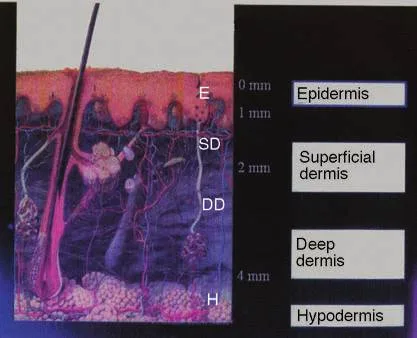 Fig 1. Depth zones of intradermal injection — (Madhère, 2007, p.17).
> Sources: Madhère, Aesthetic Mesotherapy [2007] [C][MEDLIB] [2].
Fig 1. Depth zones of intradermal injection — (Madhère, 2007, p.17).
> Sources: Madhère, Aesthetic Mesotherapy [2007] [C][MEDLIB] [2].
Mesotherapy: the material is a route, not a drug
Mesotherapy is defined by where and how the material goes, not by a single active. The intradermal deposit sits above the richer deep vascular plexus, so absorption is slow and local persistence prolonged: Ordiz [1] states the classic rule of injecting the agent at less than 4 mm, because below that the plexus is rich enough that the injection behaves as a parenteral one with a systemic profile. That slow-diffusion pharmacokinetic is the mechanistic claim of the whole category [1][3].
The cocktail families and their declared rationale (no improvised concentrations printed here, for the reason given below):
| Family | Examples | Declared rationale |
|---|---|---|
| Non-crosslinked HA | Fluid HA | Hydration, scaffold and vehicle for the rest [4] |
| Vitamins / coenzymes | B-complex, coenzymes | Fibroblast metabolic cofactors [5] |
| Amino acids | Glycine, proline, lysine, leucine | Direct substrate of collagen synthesis [5] |
| Minerals / trace elements | Zinc, copper, magnesium | Enzymatic cofactors [5] |
| Nucleic acids / PDRN | Highly-polymerised DNA, polynucleotides | Biostimulation, restorative effect on connective tissue [1][15] |
| Antioxidants | Vitamin C, glutathione | ⚠ the problem here is stability and pH, not the rationale [1] |
| Intradermal low-dose toxin | "Mesobotox" (very dilute) | Cholinergic inhibition of sweat/sebaceous glands (well established), superficial muscle tone (plausible, less proven) [33] |
> ⚠ The evidence honesty, and it is structural. Mesotherapy as a category is under-evidenced not because research is missing but because no two studies test the same intervention: every cocktail and every protocol differs, so there is nothing to replicate. Rotunda and Kolodney [3] made exactly this historical clarification for phosphatidylcholine/mesotherapy. The practical corollary: the more your injectate resembles an authorised, standardised product, the more defensible your practice. Improvised in-office mixtures fail on four axes at once, stability, physicochemical compatibility, sterility and traceability [1][2].
Mesobotox as an intradermal mesotherapy active (salvaged from C3.9). Very dilute toxin in multiple intradermal micropapules aims at the superficial muscle fibres inserting into the dermis and at the sebaceous/sweat glands, for pore size, seborrhoea, texture, fine superficial lines, erythema/flushing, and mild neck tightening, without abolishing expression [33]. The gland mechanism is solid (identical to the hyperhidrosis mechanism); the superficial-tone effect is plausible but much less proven. ⚠ Its literature is thin: a PubMed search for microbotox as its own named technique returns essentially one indexed case series of nine women [33], which mixes toxin with low-MW HA and amino acids and so cannot attribute the effect to toxin. It is [D] today; the consent must say so, and the exact dilution used must be recorded.
HA skin boosters and bioremodelling: hydration plus a biostimulation claim, kept separate
A booster is low- or non-crosslinked HA formulated to spread through the dermis, not to hold. Khabarov [13] and the corpus histology (Wang et al., cited within Vidurrizaga/Esparza [39]) show intradermal NASHA increases fibroblast number and neocollagenesis versus saline, the mechanistic basis for the biostimulation claim. Tosti [4] states non-crosslinked HA "reactivates fibroblasts and induces synthesis of new collagen, elastin and matrix": an in-vitro/histology claim that must be held apart from a clinical outcome claim.
Profhilo (bioremodelling) chemistry, said precisely. It is a stable hybrid cooperative complex of high- and low-molecular-weight HA (H-HA ~1100–1400 kDa + L-HA ~80–100 kDa), thermally stabilised without a chemical crosslinker (BDDE-free) via NAHYCO technology: 32 mg H-HA + 32 mg L-HA in 2 mL (3.2% HA) [8].
> ⚠ Separate the manufacturing fact from the clinical claim, because marketing fuses them. Manufacturing fact: no BDDE, therefore no crosslinker residue. Derived clinical claim: that this implies better tolerance. The first is verifiable on the technical sheet; the second is an assertion to weigh as such. A high-diffusion product also carries a safety corollary the sales pitch omits: a bolus of a highly diffusible gel placed in the wrong plane spreads where you did not want it, so plane precision matters more, not less [8].
Polynucleotides / PDRN as a standalone class. Salmon/trout-DNA biopolymers act through adenosine A2A-receptor signalling, fibroblast proliferation and ECM remodelling, a mechanism distinct from HA hydration [15]. Ordiz [1] already describes highly-polymerised DNA in the mesotherapy pharmacopeia (restorative effect on necrosed cells and connective tissue, effect rising with chain length). The clinical evidence is low-to-moderate quality: Lampridou 2024 [16] (nine studies, 219 patients) and Lee 2024 [15] report improvements in wrinkles, texture and elasticity with mild, transient side-effects, but heterogeneous formulations, endpoints and follow-up limit generalisability. ⚠ Regulatory status varies by market (medical device vs unlicensed): verify before offering, and note the fish-protein allergy screen (§F1.7).
Microneedling: controlled injury as the mechanism
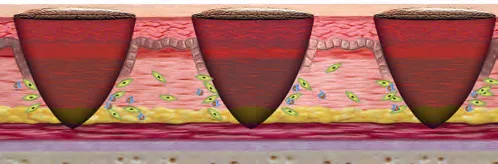 Fig 2. Microneedle micro-channels and the dermal repair response — (Garg, 2021, p.64).
> Sources: Garg, Dermal Fillers for Dental Professionals [2021] [C][MEDLIB]; mechanism per Hausauer [9], Alster [19].
Fig 2. Microneedle micro-channels and the dermal repair response — (Garg, 2021, p.64).
> Sources: Garg, Dermal Fillers for Dental Professionals [2021] [C][MEDLIB]; mechanism per Hausauer [9], Alster [19].
Micropunctures trigger the wound-repair cascade (haemostasis, inflammation, proliferation, remodelling; see A2 — Skin Biology & Photoaging.en §a27) without full epidermal ablation, driving collagen I/III and elastin deposition [9][19]. Histology shows collagen increase concentrated at moderate depths (~0.5–0.6 mm for rejuvenation) [9]. A second mechanism is decisive for §F1.10: the micro-channels stay open ~15 min and transiently raise the penetration of anything applied on top, which is the basis of both the drug-delivery use and its most dangerous misuse [9][19]. RF-microneedling adds a fractional deep-dermal thermal component through insulated needles that spare the epidermis, aimed at tightening and scar remodelling [32].
Classic pitfall: citing the BDDE-free label of a bioremodelling product as if it were a proven tolerance advantage; it is a manufacturing fact, and reading it as a clinical outcome is the exact fusion the consult must resist [8].
F1.4 — Technique step by step
Answer first: prep, plane, deposit pattern, stop sign, per modality.
| Modality | Skin prep | Plane / depth | Deposit or pass | The sign that stops the session |
|---|---|---|---|---|
| Mesotherapy | Makeup off, antisepsis, topical anaesthetic removed | Intradermal, < 4 mm; superficial for radiance, deep for coverage [1] | Nappage/rafaga, point-by-point (< 1 cm spacing), papule, or cannula; assisted gun preferred [1][4] | Field covered with microdeposits, no confluent papule ("rice grain") [4] |
| HA booster | As above | Mid-dermis | Microbolus/microdroplet ~0.02 mL aliquots in a grid; manual syringe, cannula or auto-injector [39] | Even papular field; do not overfill any point [6][39] |
| Bioremodelling (Profhilo) | As above | Mid-deep dermis | BAP: 5 fixed Bio-Aesthetic Points/side (face), 0.2 mL bolus/point; neck = 10 microwheals, 3 vertical lines [8] | The fixed point count is the pattern; the product diffuses to cover [8] |
| Microneedling | Anaesthetic fully removed before needling | Percutaneous, depth by region/indication | Gliding/rolling passes per subunit, multiple directions (cross-hatch); pen perpendicular [9][19] | Uniform pinpoint bleeding across the subunit; past it is damage [9] |
| RF-microneedling | As above | Insulated needle to set depth, RF pulse | Stamped placements per device grid, energy/depth per IFU [32] | Device-guided; do not stack passes [32] |
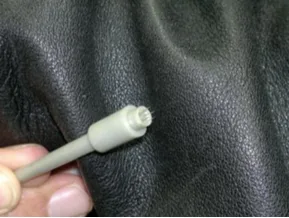 Fig 3. Motorised pen cartridge tip — (Ordiz, UPO Sorted slide, p.22).
> Sources: Ordiz, Mesoterapia Facial y Microneedling (UPO Sorted) [D] [42]; device rationale per Stoeber [18], Alster [19].
Fig 3. Motorised pen cartridge tip — (Ordiz, UPO Sorted slide, p.22).
> Sources: Ordiz, Mesoterapia Facial y Microneedling (UPO Sorted) [D] [42]; device rationale per Stoeber [18], Alster [19].
Mesotherapy technique
The deposit pattern is chosen by target and by acceptable downtime [1][4]:
| Technique | Plane | Use / trade-off |
|---|---|---|
| Nappage / rafaga | Subepidermal, < 2 mm | Radiance, texture ("meso-softness"). ⚠ leaves visible papules for a time [1] |
| Point-by-point | Superficial-to-deep dermis, < 1 cm spacing | Multivitamin + HA; even coverage; more punctures [4] |
| Papule / epidermal | Intraepidermal / very superficial | Maximal local retention; most visible papule; pigment risk in high phototypes [1] |
| Deep point | Deep dermis | Larger, less visible deposits; less immediate epidermal effect [1] |
| Meso-cannula | Deep dermis / subdermal | Fewer entry points, surface coverage with less trauma [4] |
An assisted injection gun is preferred over manual delivery for reproducible microdeposits, and microdeposits (not larger boluses) avoid the "rice-grain" overcorrection [1][4]. ⚠ Depth decides both effect and complication: too superficial gives a persistent papule and pigment risk in high phototypes; too deep disperses the product where it does nothing. Depth is set by zone, not by habit [1].
Skin booster and bioremodelling technique
Boosters are placed as multiple small mid-dermal aliquots in a grid or by linear retrograde threads, product- and region-specific [6][39]. The Kerscher/Reuther face protocol cited in the corpus used serial 0.02 mL deposits of Restylane Vital in three sessions four weeks apart [39]. ⚠ The superficial dermal papule is visible for a time and is the number-one complaint: consent it as expected, with a timeframe, or the patient reads it as an error [6].
Profhilo BAP technique is a small, fixed number of standardised deposits per hemiface, placed on relatively safe anatomical references away from the large vessels [8]. The five-point face pattern and the neck ten-microwheal pattern are not a commercial trick: they are a consequence of the rheology, since a high-diffusion product needs few deposits to cover a wide area [8]. ⚠ The safety corollary is enunciated less often: because the product spreads, the precision of point and plane matters more, not less; a bolus in the wrong plane goes where you did not intend [8]. Regional cautions apply: periocular and neck are thin-skin zones where papules are more visible and oedema more prolonged (see D2 — Periorbital Region.en, D14 — Escote.en).
Microneedling technique and the sign that stops the pass
Device choice is decided by needle-entry geometry, not preference [9][19]:
| How the needle enters | Consequence | |
|---|---|---|
| Roller (dermaroller) | Enters at an angle, exits at an angle, because it rolls | ⚠ tears rather than punctures: irregular channel, more trauma for the same effect [9][19] |
| Motorised pen (DPT) | Perpendicular, vertical oscillation | Clean channel, adjustable, uniform depth [9][18] |
Depth is a direction, not a memorised millimetre table [9][19]:
| Target | Depth direction |
|---|---|
| Radiance, active penetration | Most superficial (~0.2–0.5 mm) [9][19] |
| Texture, pore, fine line | Intermediate, dermal (~0.5–1.0 mm) [9] |
| Atrophic scar, striae | Greatest of the range (~1.5–2.5 mm) [20][21] |
⚠ Depth is always reduced over thin skin: periocular, forehead over bone, neck [9]. The specific millimetres belong to the device IFU and the zone, not a memorised chart. Passes are made per subunit in multiple directions (cross-hatch) [19].
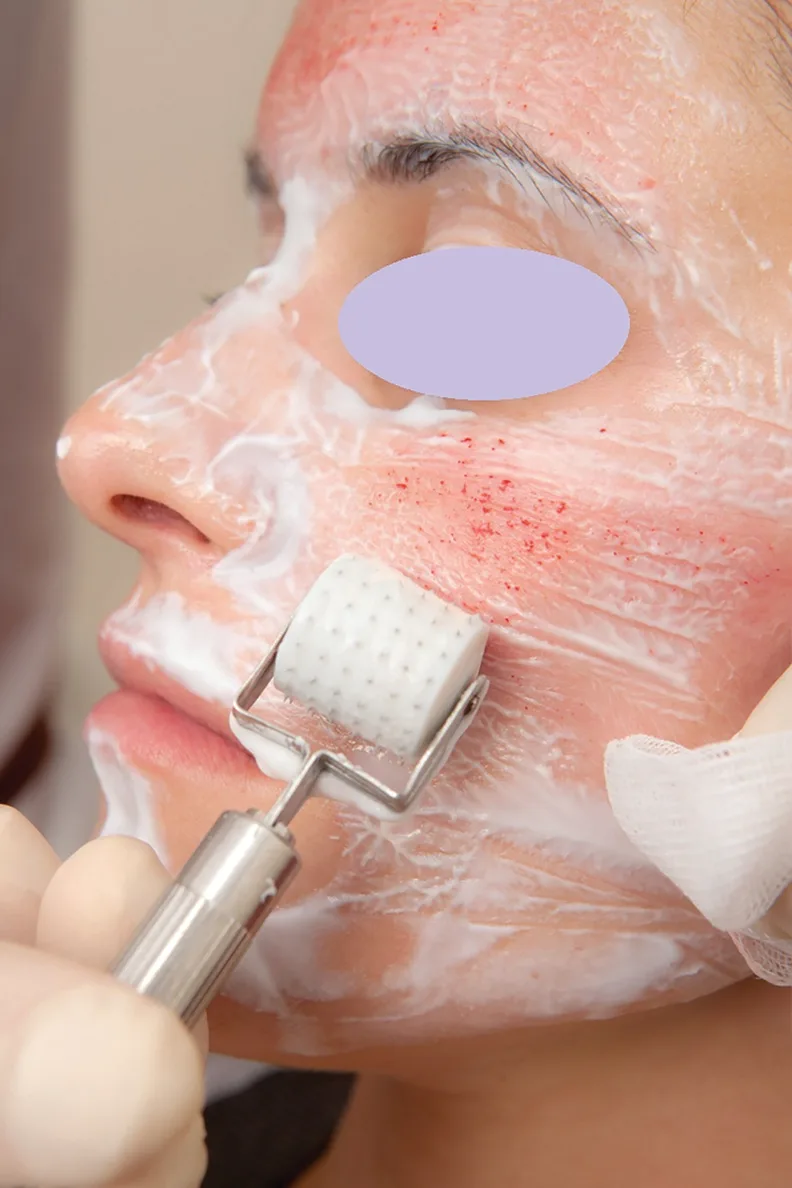 Fig 4. Uniform pinpoint bleeding as the stop sign — (Hausauer & Jones, 2019, p.156).
> Sources: Hausauer & Jones, PRP and Microneedling in Aesthetic Medicine [2019] [C][MEDLIB] [9].
Fig 4. Uniform pinpoint bleeding as the stop sign — (Hausauer & Jones, 2019, p.156).
> Sources: Hausauer & Jones, PRP and Microneedling in Aesthetic Medicine [2019] [C][MEDLIB] [9].
> ⚠ The transferable stop sign, and it is the one number that crosses devices: in dermal work, uniform erythema with homogeneous pinpoint bleeding. Fig 4 documents it panel-value: the even punctate haemorrhage is the target, and going past it does not make more collagen, it makes more damage, and with it PIH and scarring risk [9]. The stop sign is clinical, not a stopwatch and not a bleeding-more heuristic.
Device hygiene is where the haematic-transmission risk lives. Single-use sterile cartridge, one per patient, never reprocessed; the pen body is barrier-protected [9]. This is the point where a material saving becomes a legal problem (see J5 — Infection, Biofilm & Sterilization.en).
Classic pitfall: chasing "more bleeding" as a sign of efficacy; the target is uniform, punctate bleeding, and confluent haemorrhage signs over-treatment whose sequelae are PIH and scar, especially over thin skin and high phototypes [9][30].
F1.5 — Protocol and parameters
Answer first: induction cycle → maintenance, per modality. The result is maintenance, not one session.
| Modality | Amount / point or region | Sessions (induction) | Interval | Maintenance | Ceiling before over-treatment |
|---|---|---|---|---|---|
| Mesotherapy | Fractionated microdeposits; total by area (no memorised cocktail concentration) [1][4] | ~3 | Every 2 weeks (quincenal) [4] | Monthly top-ups [4] | Confluent papule / rice-grain; product outside dermis [1] |
| HA booster (Restylane Vital) | ~0.02 mL serial deposits [39] | 3 (Kerscher/Reuther face) [39] | 3–4 weeks [39] | ~6-monthly [7][39] | Overfilled point → visible/prolonged papule, nodule [6] |
| HA booster (SkinVive/VYC-12L) | Microdroplet, per IFU; ~ up to two treatments (initial + optional touch-up) [7] | 1–2 | Touch-up ~1 month | Sustained to ~6 months [7] | Per IFU |
| Bioremodelling (Profhilo) | 0.2 mL/point; face 5 BAP/side; neck 10 microwheals [8] | 2 | 4 weeks (30 days) apart [8] | ~6-monthly [8] | Fixed point count; do not add boluses [8] |
| Polynucleotides (Plinest-type) | Per device (e.g. 40 mg/2 mL); intradermal | ~3 | ~3 weeks (non-standardised) [16] | Variable [16] | Non-standardised: follow IFU [15][16] |
| Microneedling | Depth by indication; passes to pinpoint bleeding [9] | 4–6 | ~4 weeks [20] | Per goal, then spaced [10] | Past uniform pinpoint bleeding [9] |
| RF-microneedling | Energy + depth per device | Device-specific | Device-specific | Device-specific | Excess energy/depth → burn, fat loss [11][32] |
Why the numbers are printed here and were withheld before
The retired ES chapter deliberately printed no numbers, on the argument that concrete parameters belong to the product IFU. That was defensible for a cheatsheet built only on monographs. This chapter prints the parameters that are carried by a specific, cited, standardised product or a controlled study, and keeps withholding the ones that are genuinely product-internal:
- Printed, because a named product/trial carries them: Profhilo 32+32 mg, 0.2 mL/point, 5 BAP/side, 2 sessions 4 weeks apart [8]; SkinVive/VYC-12L microdroplet with 6-month duration and the ACSS responder figures [7]; Restylane Vital 0.02 mL serial deposits, 3 sessions at 4 weeks [39]; microneedling 4–6 sessions ~4 weeks and depth-by-indication [9][20].
- Withheld, because they are cocktail-internal or improvised: any mesotherapy cocktail composition or concentration [1] (the transferable content is the family table of §F1.3 and its rationale); the specific millimetre depth for a given microneedling device/zone [9] (the transferable content is the depth-direction table and the reduce-over-thin-skin rule, plus the pinpoint-bleeding stop sign).
> ⚠ The maintenance rule is structural, not a sales line. Every modality here is resorbable, so a permanent change cannot be promised. Sell each as an induction cycle plus periodic maintenance and write it into the plan; a resorbable product sold as a one-off is the fast route to a dissatisfied patient [4][6]. The corpus monographs (Ordiz [1], Tosti [4], Vidurrizaga/Esparza [39], Pinto [40]) all frame results as cycle-dependent.
Dose fragmentation and the per-point ceiling
Across mesotherapy and boosters the governing rule is fragmentation: total amount split across many small deposits, never a single bolus [1][4][39]. The over-treatment ceiling is not a total-volume number but a per-point sign: a confluent or "rice-grain" papule for mesotherapy [4], an overfilled visible/prolonged papule or a nodule for boosters [6], and for microneedling the ceiling is the pinpoint-bleeding stop sign of §F1.4, past which added passes add damage, not collagen [9].
For microneedling course length, the RCT-based systematic reviews used repeated sessions (typically 4–6) at roughly monthly intervals to reach significance for atrophic scars [10][20]; Sitohang 2021 [20] and the 2022 monotherapy meta-analysis [10] both note the effect builds over the course rather than from a single pass. Khunger [21] frames the scar course as depth-appropriate (deeper for atrophic scar) plus adequate session number, and warns against expecting a single-session change.
> ⚠ A dose supported only by one UPO slide is never_sufficient_alone. UPO master material anchors technique and anatomy well but ages fastest and does not stand alone for a numeric parameter [1][42]; every printed number above is cross-checked against a monograph or a cited study, not a slide.
Classic pitfall: selling a single session, or copying a millimetre-depth chart off the internet; the first disappoints because the modality is a cycle, the second is wrong because depth is device- and zone-specific and must come from the IFU, reduced over thin skin [9][40].
F1.6 — Anaesthesia, asepsis and periprocedure care
Answer first: hundreds to thousands of punctures means antisepsis is the procedure, not a formality.
| Phase | Mesotherapy / booster | Microneedling / RF-MN |
|---|---|---|
| Pre | Makeup removal + real antisepsis; screen allergies (B-vitamins, preservatives, lidocaine, fish protein for PN) | Same + topical anaesthetic (lidocaine ± prilocaine) 20–30 min under occlusion |
| Anaesthesia | Usually topical or none; product may contain lidocaine (check) | Topical, then removed completely before needling ⚠ |
| Intra | Sterile single-use consumables; product from named source with lot recorded | Sterile single-use cartridge, one per patient; barrier on pen body |
| Post | Cold, photoprotection, no actives 24–48 h | Erythema/oedema/desquamation expected; strict photoprotection; nothing occlusive or irritant while barrier open |
Pre-procedure
Makeup is removed and the field antisepsed properly, not wiped with a cotton pad: these are hundreds to thousands of entry points and each is a portal (see J5 — Infection, Biofilm & Sterilization.en) [1][9]. The directed history screens for component allergy, in particular B-group vitamins and preservatives for mesotherapy [1], lidocaine for any topical/injectate, and fish/salmon protein for polynucleotides [15]. Topical anaesthetic (lidocaine, or lidocaine-prilocaine) is applied 20–30 min under occlusion for microneedling; for most mesotherapy and booster sessions topical or no anaesthesia suffices [9][40].
> ⚠ Remove the topical anaesthetic completely before needling. Residual anaesthetic under a microneedling pass is simply another product entering the dermis through the channels, with the same foreign-material logic as §F1.10 [9]. Fernández-Tresguerres [37] and the corpus protocol material make the same point for any barrier-opening procedure.
⚠ Lidocaine is toxic to platelets, which matters when PRP is combined. If the session couples microneedling with PRP, lidocaine contamination of the sample degrades platelet function; keep the anaesthetic off the PRP path [9]. This is a specific rule, not a generality.
Intra-procedure asepsis
Single-use sterile material throughout; for microneedling, one cartridge per patient, never reprocessed, with the pen body barrier-protected [9]. For any injectate, the source, brand and lot are recorded in the record before injection [1][2]: this is both an asepsis and a traceability control, and it is the entry the medico-legal file needs if a late nodule appears. The institutional-SOP shape (activation criteria, roles, single-patient rule, no shared vials) is the same one J5 specifies for a procedure room [9].
Post-procedure
- Mesotherapy / booster: cold for comfort, photoprotection, avoid actives and heat 24–48 h; the visible papule resolves over a declared timeframe [4][6].
- Microneedling: erythema, oedema and light desquamation are expected and consented; strict photoprotection (the barrier is open and the melanocyte primed for PIH); nothing occlusive, perfumed or irritant while the barrier is open (see F4 — Dermocosmetics & Topical Agents.en) [9][30].
- RF-microneedling: the same, plus specific thermal-injury aftercare and a lower threshold to review, given the 2025 safety signal (§F1.8) [11][32].
> ⚠ The barrier is open for hours, not minutes, in the patient's perception. The aftercare sheet must be written, because the highest-risk window (product application, sun, heat) is at home, not in the chair [9]. Baran [34] frames post-procedure photoprotection as the single most cost-effective step against PIH in pigmented skin.
Classic pitfall: leaving residual topical anaesthetic on the skin before microneedling, or reusing a cartridge to save material; the first drives another product into the dermis, the second is a haematic-transmission risk with no defence, and both are silent until a complication makes them loud [9].
F1.7 — Contraindications and precautions
Answer first: absolute vs relative, and the two that people get wrong (mystery-origin vials; isotretinoin).
| Status | Mesotherapy / booster / bioremodelling | Microneedling / RF-MN |
|---|---|---|
| Absolute | Vial of unknown origin/composition [1][2]; known allergy to a component (lidocaine; fish protein for PN) [15]; active infection/herpes in field | Active infection/herpes in field; active inflammatory acne/pustules in field [9][34]; unhealed skin |
| Relative (strong) | Pregnancy/lactation; immunosuppression/active connective-tissue disease [34]; bleeding diathesis/anticoagulation | Keloid/hypertrophic-scar diathesis (esp. deep) [21]; high phototype (PIH) [30]; anticoagulation; isotretinoin (see below) |
| Precaution | Autoimmune/ASIA history for HA products [14][34]; thin-skin zones | Melasma (can aggravate) [12]; poor wound healing; unrealistic scar expectation |
Absolute contraindications, said plainly
- ⚠ A vial whose legal identity and composition you cannot name. There is no consent that rescues injecting an unidentified injectate; the four-figure legal grid of §F1.3 (authorised medicine in indication / off-label / CE device / unknown vial) collapses to "no defence" for the fourth [1][2].
- Component allergy. B-group vitamins and preservatives for mesotherapy cocktails [1]; lidocaine wherever it is present; fish/salmon protein for polynucleotides [15].
- Active local infection or herpes in the treatment field. Herpes prophylaxis is given for perioral work in patients with a history, before mesotherapy or microneedling [9][34].
- Active inflammatory acne/pustules for microneedling in that field: the pass disseminates it; control the flare first [9][34].
Relative contraindications and precautions
- Pregnancy and lactation: deferred across modalities as a precaution, absent a compelling indication [34].
- Keloid or hypertrophic-scar diathesis: a strong relative caution for deep microneedling; the calibrated injury can itself scar in a predisposed patient [21].
- High Fitzpatrick phototype: PIH risk; prime and photoprotect; depth conservative [30][34]. This is a precaution, not an exclusion, and microneedling remains preferred over ablative resurfacing in IV–VI (§F1.2) [19].
- Anticoagulation / bleeding diathesis: more bruising and, for the many-puncture modalities, a longer oozing course; weigh and document [34].
- Immunosuppression, active autoimmune/connective-tissue disease, ASIA history for HA products: a precaution for any injected biomaterial (the corpus complication material flags autoimmune disease, sarcoidosis and prior ASIA) [14][34].
- Active melasma for microneedling: can aggravate; belongs to a dermatology pathway, not a generic quality menu [12].
⚠ Isotretinoin before microneedling — conflict preserved, not averaged
Consensus: in a patient on or recently on isotretinoin, superficial procedures and non-ablative devices, including microneedling, are now treated far more permissively than the legacy label suggested.
Discrepancy (printed, not averaged, per source-policy.yaml):
- Legacy rule [school A]: withhold isotretinoin ≥ 6 months before microneedling/resurfacing, from the drug's package-insert language and historical scarring/healing concern [24].
- 2017 consensus [school B]: the ASDS Guidelines Task Force [24] and the companion JAMA Dermatology systematic review [25] concluded there is insufficient evidence to delay superficial chemical peels, non-ablative lasers, and microneedling (including fractional RF-microneedling) for patients on or recently on isotretinoin; the 6-month rule is outdated for non-ablative procedures.
- Decide by: planned depth, zone and scar history. The permissive position applies to superficial/non-ablative work. ⚠ It is not defensible to extend it by analogy to a deep (1.5–2.5 mm) microneedling pass or to fully-ablative resurfacing, which the same consensus keeps cautious about [24][25]. Document the decision and its rationale in the record.
This is the pattern the atlas preserves rather than collapsing: two dated, sourced positions, a decision variable (depth/zone), and a written rationale, because averaging them would erase exactly the clinical distinction (superficial vs deep) that carries the risk [24][25].
> ⚠ The mystery vial and the isotretinoin call are the two failure points here. The first has no consent that covers it; the second is safe to get wrong in the permissive direction only for superficial work, and dangerous to over-extend to deep microneedling [1][24].
Classic pitfall: applying the permissive isotretinoin consensus to a deep microneedling pass by reading a consensus that was about superficial procedures; the conflict is preserved precisely so this over-extension is visible and avoidable [24][25].
F1.8 — Complications specific to these procedures
Answer first: the specific set, not the generic needle-stick list. Each modality has one signature complication.
| Modality | Signature complication | Also | First management |
|---|---|---|---|
| Mesotherapy | ⚠ Atypical (non-tuberculous) mycobacterial infection from contaminated/unlicensed product or tap-water-cleaned device [26][27] | Bruising, oedema, panniculitis, granuloma, allergic reaction, HA rice-grain nodules | Culture/PCR, prolonged targeted antibiotics; stop the product/device source [26][27] |
| HA booster / bioremodelling | Papule/nodule (early technical vs late immune) [6] | Delayed immune-mediated hypersensitivity, biofilm, rare Tyndall, rare vascular occlusion, bruising/oedema | Hyaluronidase for HA nodule/Tyndall/occlusion (see J3 — Hyaluronidase.en); antibiotics/steroids by node type [6] |
| Microneedling | Post-inflammatory hyperpigmentation (skin of colour) [30] | Tram-track/track-mark scar (roller misuse), granulomatous reaction to topical applied during needling, herpes reactivation, milia, infection | Pigment care + photoprotection; treat granuloma per type; aciclovir for HSV [9][30] |
| RF-microneedling | ⚠ Burns, scarring, fat loss, nerve damage (FDA 2025 safety signal) [11] | Track marks, PIH, disfigurement (misuse/over-aggressive parameters) | Wound care/debridement; refer for surgical repair if needed; report to FDA [11][32] |
Mesotherapy: the infection is the one that scars a reputation
⚠ Non-tuberculous mycobacterial (NTM) outbreaks are the signature mesotherapy complication and they are an asepsis failure, not bad luck. The 2009 J Clin Microbiol outbreak [26] traced a cluster of subcutaneous Mycobacterium chelonae abscesses to inappropriate cleaning of the multiple-injection device with tap water; molecular typing matched patient isolates to the tap-water isolate. Sañudo 2007 [27] reported 15 cases of NTM infection after mesotherapy. The organisms (M. chelonae, M. fortuitum, M. abscessus) produce indolent, cold subcutaneous abscesses weeks after injection, are missed by routine culture, and need prolonged targeted antibiotics. ⚠ Presentation is late and easily mistaken for "product that has not resorbed": think NTM, biofilm or granuloma, not benign persistence [26][27]. Other mesotherapy complications are bruising, oedema, panniculitis, foreign-body granuloma, allergic reactions, and HA rice-grain nodules from over-superficial deposits [1][4].
HA boosters and bioremodelling: the nodule is early-technical or late-immune, and they are managed differently
The critical branch is timing [6]: - Early nodule (days): usually technical, an over-superficial or overfilled deposit; being HA, it responds to hyaluronidase (see J3 — Hyaluronidase.en) [6]. - Late nodule/induration (weeks–months): think delayed immune-mediated hypersensitivity or biofilm, not benign persistence; management differs (hyaluronidase for the HA component, antibiotics for suspected biofilm, intralesional steroid for inflammatory granuloma, by node type) and an aesthetic re-injection into a suspected biofilm seeds it [6][14].
⚠ Tyndall and, rarely, vascular occlusion are less frequent than with volumising filler but possible if the plane was too superficial or a diffusible bolus went astray; they are HA and answer to hyaluronidase (see J2 — Vascular Occlusion.en, J3 — Hyaluronidase.en) [6][8]. Carruthers [35] notes bruising/oedema are minimised by avoiding non-essential anticoagulants and reviewing medication.
Microneedling: PIH and the granuloma from what you put on top
- ⚠ Post-inflammatory hyperpigmentation is the signature microneedling complication, concentrated in skin of colour; prevention is priming, conservative depth and strict photoprotection, since the modality's epidermal-sparing advantage reduces but does not abolish it [30][34].
- Tram-track / track-mark scarring follows roller misuse (angled entry/exit, excess pressure): a device-geometry complication the pen largely removes [9][19].
- ⚠ Granulomatous foreign-body reaction to a topical applied during needling (cosmeceutical, vitamin C in cosmetic base) is the disfiguring, delayed, hard-to-treat complication that motivates the hard rule of §F1.10; the corpus and Hausauer [9] both flag it.
- Herpes reactivation, milia and infection complete the set; HSV prophylaxis for perioral work in patients with a history [9][34].
RF-microneedling: the 2025 regulatory signal changed the risk conversation
⚠ On 15 October 2025 the FDA issued a Safety Communication, "Potential Risks with Certain Uses of Radiofrequency (RF) Microneedling" [11]: serious complications reported with FDA-cleared RF-microneedling devices, including thermal burns (superficial to deep dermal, some needing debridement or surgical repair), scarring, fat loss, disfigurement and nerve damage. The agency's evaluation is ongoing and asks patients and providers to report events. Reported events cluster with device misuse, operator inexperience and over-aggressive parameters, especially in sensitive facial zones; in qualified hands most events are minor and transient [11][32]. This is why RF-microneedling is treated in this chapter as an energy device with its own risk profile, not as "microneedling plus a bonus" (§F1.9, §F1.10) [32].
> ⚠ The unifying rule: a late nodule or induration is not "product that failed to resorb". Across mesotherapy (NTM, granuloma) and boosters (biofilm, delayed hypersensitivity), the comfortable explanation is the wrong one, and it delays the correct workup (see J1 — Early Complications.en through J8 — Contraindications & Special Populations.en) [6][26].
Classic pitfall: cleaning a multiple-injection mesotherapy device with tap water, or re-injecting a late booster nodule as if it were unresorbed product; the first seeds an NTM outbreak, the second seeds a biofilm, and both present late enough to be misread as benign [26][6].
F1.9 — Alternatives and competing schools
Answer first: the full grid of skin-quality options, and when the correct answer is not to do any of them.
| Option | Verb | Best target | Evidence anchor | When it is the wrong tool |
|---|---|---|---|---|
| Mesotherapy / biorevitalisation | Hydrate | Diffuse poor quality, radiance, texture | Structurally weak as a category [3][30] | Any contour or laxity complaint [6] |
| HA skin booster | Hydrate | Hydration, mild crepe; cheek smoothness (SkinVive) | RCT for VYC-12L [7]; corpus for the class [6][39] | Fold, volume, frank laxity [6] |
| Bioremodelling (Profhilo) | Biostimulate | Early laxity + roughness, face/neck | Sparavigna 2022 neck study [8] | True laxity, jowl, band [8] |
| Polynucleotides / PDRN | Biostimulate | Texture, elasticity, thin/creped skin | Low-moderate quality reviews [15][16] | Volume; a standardised endpoint (none yet) [16] |
| Hyperdilute CaHA / PLLA | Biostimulate | Skin tightening/quality (adjacent to boosters) | Piccolo histology (CaHA type I/III over time) [14]; Machado Filho (PLLA) [38] | When you want hydration, not neocollagenesis [14] |
| Microneedling (PCI) | Injure/repair | Atrophic acne scar (best evidence), texture, striae | RCT meta-analyses [10][20][30] | Deep single fold; frank laxity [9] |
| RF-microneedling | Injure + heat | Tightening, scar in darker phototypes | Critical review [32]; ⚠ FDA 2025 signal [11] | Where plain MN suffices for scar (see controversy) [10] |
| Fractional laser (non-ablative/ablative) | Injure/repair (energy) | Atrophic scar, resurfacing | First-line for atrophic scar; ablative > non-ablative, more downtime [25][31] | Skin of colour without care (PIH); on isotretinoin if fully ablative [24] |
| Topical cosmeceuticals | Support | Maintenance, adjunct | Draelos [41]; see F4 — Dermocosmetics & Topical Agents.en | As a substitute for a procedural indication [41] |
| Do nothing procedural / redirect | — | Fold, volume, laxity, undiagnosed lesion | — | Never wrong when the complaint is not a quality one [6] |
The biostimulator alternative, kept adjacent not merged
Diluted or hyperdilute CaHA (Radiesse-type) and poly-L-lactic acid (Sculptra-type) are used for skin tightening and quality as a biostimulating alternative to boosters, distinct from their volumising use [14][38]. Piccolo [14] documents the histologic time course: type III collagen higher at 4 months, type I higher by 9 months with CaHA gel, the carrier dissolving within ~3 months so the durable effect is neocollagenesis, not gel. This is the mechanistic reason a biostimulator is a different verb from a booster and belongs in the grid but not in the same sentence as hydration (see A4 — Bioestimuladores - ciencia de materiales.en, E2 — Body Fillers, Biostimulators & Skin Quality.en).
Competing schools — printed opposite, never averaged
1. Standardised product vs personalised cocktail (mesotherapy). - Standardised-product school [A]: the closer the injectate is to an authorised, standardised product, the more defensible; this atlas's position, and it deliberately limits creativity [1][2]. - Personalised-cocktail school [B]: each skin needs its own formula. ⚠ Fails on stability, compatibility, sterility and traceability, and makes evidence impossible [1][3]. - Decide: default to the standardised product; a bespoke mix needs a real, documented reason and full legal/asepsis cover [2].
2. Booster as hydrant vs booster as biostimulator. - Hydrant school [A]: the principal effect is water and texture; honest, sells less [6]. - Biostimulator school [B]: it induces collagen and elastin; true for some products in vitro, a manufacturer claim for others [4][6]. Decide: by whether the specific product carries clinical (not only in-vitro) data; keep the manufacturing fact and the outcome claim separate [8].
3. Motorised pen vs roller (microneedling). - Pen [A]: perpendicular entry, adjustable uniform depth; this atlas's position, by geometry not preference [9][18]. - Roller [B]: cheap and fast, but tears by entry/exit angle, more trauma per unit effect and the tram-track risk [9][19]. Decide: pen for controlled, depth-specific work; the roller's only argument is cost.
⚠ Controversy 1 — mesotherapy efficacy is contested
- EBM-skeptic school: no conclusive RCT evidence, not FDA-approved for skin rejuvenation, "cannot be recommended for routine use"; a category assembled from heterogeneous, unreplicated interventions [3][30].
- Clinical-practice / corpus school: an effective, widely taught biorevitalisation modality (Ordiz [1], Prikhnenko [5], Tosti [4]).
- Resolution (P): both are right about different objects. The category cannot be recommended as a category because it is not one intervention; a specific, standardised, cited protocol can be defensible. Consent states the evidence status honestly [3][5].
⚠ Controversy 2 — does RF add benefit over plain microneedling for atrophic scars?
- Meta-analytic school: the 2022 monotherapy meta-analysis [10] found plain microneedling reached significance for objective atrophic-scar improvement while the added RF component did not outperform it, with no significant difference in patient satisfaction; the Cureus 2025 combination meta-analysis [31] found no significant advantage for adding fractional RF-microneedling to fractional laser over laser alone (only a borderline subgroup signal with ablative laser).
- Device-retrospective school: fractional RF-microneedling (Morpheus8-type) reduces scar load and long-term relapse, especially combined with other therapies [32].
- Decide by phototype and target, not by averaging: for the narrow question "does RF beat plain MN for atrophic scars", the RCT-level answer today is no [10][31]; RF-microneedling keeps a distinct role for tightening and for repeat use in darker phototypes [32], and now carries the 2025 FDA safety caveat [11]. Do not average the two into a middle claim; keep the scar answer (plain MN) and the tightening answer (RF) separate.
When the correct answer is NOT this procedure
Deep static rhytid, volume loss, projection → filler/biostimulator/toxin (A3, A4, C-domain) [6]. Frank laxity, jowl, platysmal band → energy, thread or lift (E3, G5) [8]. Undiagnosed pigmented or inflammatory lesion → dermatology, never aesthetic treatment [34]. The honest redirect at the consultation is a better outcome than a technically perfect session that treats the wrong complaint [6].
Classic pitfall: offering RF-microneedling for atrophic acne scars on the belief that "energy must add benefit", when the RCT-level evidence says plain microneedling matches or beats it for that specific target and RF now carries a 2025 safety signal; the modality earns its place for tightening, not as a scar upgrade [10][11][31].